Saturday, October 9, 2010

Veteran affairs: now we must serve them

Uncle Sam is glad to wave the flag when sending soldiers to war, but patriotism means doing right by our veterans, too

Seema Jilani, guardian.co.uk, Friday 8 October 2010 17.00 BST

Jesus Bocanegra, PTSD, Iraq war veteran Jesus Bocanegra, of McAllen, Texas, in front a painting of himself done while he was serving in Iraq in 2006. Bocanegra has been diagnosed with Post-Traumatic Stress Disorder, or PTSD, a result of his service in Iraq in 2003-04; an attempt to attend college was thwarted by his nervousness with crowds, a common symptom of PTSD. Photograph: Chris Hondros/Getty Images

-----------------------

Q: "What's the difference between a nurse at a veterans' hospital and a gun?"

A: "A gun draws blood, you can fire a gun, and a gun only kills once per try."

While it's a harsh joke circulated among those who work at veterans' hospitals, the sentiment underscored is that the US government does not prioritise veterans' health enough to pay nurses competitive salaries. The Department of Veterans Affairs has continually slinked into the shadows and reneged on its responsibility to take care of those who have valiantly served our nation.

Returning veterans have an abysmal state of affairs to come back to, a crisis even. A new study estimates that the price tag for healthcare costs of veterans from Iraq and Afghanistan could be as much as $1.3tn. Approximately 600,000 of the 2.1 million service members have already sought VA healthcare, a higher proportion than from prior wars.

Suicide rates of returning veterans are four times that of the civilian population. Five years ago, 87 service members committed suicide on active duty. Last year, the count was 162. At Fort Hood, there have been 14 confirmed suicides and six deaths are pending investigation. There has been a 40% increase since 2006 in the suicide rate of Texan veterans younger than 35. Last week, at Fort Hood, four men – all under the age of 40 – took their own lives. All were decorated veterans and two were fathers of young children. Upon retrospective chart review, many patients had expressed worrisome signs of impending harm, but little action was taken.

To add to its dire ethical record, the VA did not recognise Gulf war illness (GWI) as an entity for several years, even after medical evidence published in notable journals pointed to its existence, and several thousand veterans voiced symptoms that fit the diagnosis. By "neither confirming nor denying" its existence, the VA ensured that suffering veterans were unable to receive compensation for debilitating illnesses. Last year, the VA cancelled a congressionally mandated contract for GWI research at the University of Texas Southwestern, which may have been because research was implicating toxic exposures to depleted uranium (DU) and sarin nerve gas. If established by the study, this would allow more veterans to claim "service-related" illnesses, thereby obliging the VA to foot the bill for treatment. Last year, an expose uncovered the fact that doctors were being pressured by the VA to refrain from diagnosing PTSD, and told to diagnose patients with "anxiety, not otherwise specified" instead. That way, veterans would receive substantially lower disability benefits.

However, President Obama and Eric Shinseki are doing far better than their predecessors (think Walter Reed). It wasn't until the Obama administration that Gulf war illness was officially acknowledged, as were illnesses linked with Agent Orange, thereby opening benefits for affected veterans. Still, our government can glory in "our brave troops" when marching off to war, but cannot dig into its pockets to care for fragile veterans upon their return. Patriotism is more than rallying around a flag, tying yellow ribbons and singing twisted Toby Keith lyrics.

And the sorry business darkens further. What unsavoury things occur when the Department of Veterans Affairs gets into bed with self-serving insurance companies? Wretched war-profiteering of the most sinister kind.

Prudential Insurance provides life insurance to 6 million US military personnel and families. It was recently revealed that the VA failed to inform soldiers of a secret agreement with Prudential enabling the firm to withhold lump-sum payments of life insurance benefits to families of fallen service members. Since 1999, Prudential has used money set aside for soldiers' life insurance as investment income. Over the years, Prudential sent families "checkbooks" instead of money. By delaying payment, Prudential kept the money in its corporate "alliance accounts", where it could potentially earn eight times as much as it currently pays in interest to beneficiaries.

Furthermore, these assets were not FDIC-insured, meaning the money could evaporate; if Prudential fell apart, families would have no recourse. As of June 2010, Prudential held $662m of survivors' money in its corporate account. It earned 4.2% in 2009; the company has paid survivors holding alliance accounts 0.5% in 2010. Five family members filed a federal fraud lawsuit last month claiming the insurer has earned as much as $500m by inappropriately retaining funds due to families. As noted in the Boston Globe, Bob DeFillippo, Prudential spokesman, declined to comment on the lawsuit, but he defended the alliance accounts, noting that they were supposed to allow people time to grieve. It was because these accounts require ready access to the money, DeFillipo explained, that the investment was short-term and the interest rate lower.

Whatever the outcome of that case, it will do little to dispel the impression that the insurance company and the VA have done deals over the dead bodies of men and women in uniform in order to make a quick and easy buck… or millions.

Our veterans, who have served their country so heroically, don't need yellow ribbons; they need less red tape and more transparency. Wasn't it enough that they gave their lives for their country, were rendered so mentally ill that some have taken their own lives? Or do their wives and mothers also have to be exploited in their darkest hour in order to boost insurance stock portfolios?

"Bleeding-heart liberals" often bear the brunt of criticism when proposing that the government take financial responsibility for veterans' healthcare. Given how reprehensibly our veterans are being mistreated, shouldn't all our hearts be bleeding?

Wednesday, October 6, 2010

Canadian Gulf War Veterans’ Advocate Among Vets with Personal Medical Files Accessed by Administrative Public Officials


More veterans sound alarm over serious privacy breaches

Canadian Gulf War Veteran Louise Richard who served as a nurse in Kuwait and has testified in the U.S.about the plight of Canadian Gulf War veterans before the Congressionally Chartered VA Research Advisory Committee on Gulf War Veterans’ Illnesses (RAC)  is seen at her home in Ottawa on Monday Oct. 4, 2010, where she displays some of the 4,000 pages of personal documents which she obtained through an access to information request to Veterans Affairs. More veterans are coming forward with claims their private medical information was distributed or widely accessed by federal bureaucrats in what some say were attempts to smear reputations.   THE CANADIAN PRESS/Sean Kilpatrick

Written by Murray Brewster, The Canadian Press

(Ottawa, Ont., Canada) - More veterans are coming forward with claims their private medical information was distributed or widely accessed by federal bureaucrats in what some say were attempts to smear reputations.

At least three new cases came to light Tuesday, widening a privacy scandal triggered by veterans activist Sean Bruyea who acquired hundred of pages of government documents that improperly divulge his confidential medical and psychiatric files.

Long-time veterans critic Louise Richard, who suffers post-traumatic stress, cites an internal memo she obtained that shows the current deputy minister of veterans affairs was extensively briefed early last year about her private medical information.

The briefing was held prior to a meeting Ms. Richard had with deputy minister Suzanne Tining, at which the two were to discuss Gulf War Syndrome, a chronic condition the federal government does not recognize as pensionable.
The former military nurse says her medical information and complaints about how Veterans Affairs handled her file had nothing to do the subject of their discussion.

“These people that wrote the brief for deputy minister, they have no medical knowledge,” Ms. Richard said in an interview with The Canadian Press.

“Where does this sense of entitlement come from within [Veterans Affairs]? They seem to be able to do what they please with our medical records and share what they want, with who they want and all of this with bureaucrats who have no medical knowledge or expertise.”

The memo was dated Jan. 14, 2009.

It was not immediately clear how widely Ms. Richard's information was shared. She is still poring over 3,662 pages of information released following a Privacy Act request she made.

everal boxes of documents arrived in spring 2009, but Ms. Richard said she was afraid to open them because she was overwhelmed by the thought the department had written so much about her.

The packages remained sealed until Mr. Bruyea came forward two weeks ago with evidence that his private information had been widely circulated within the department.

Personal medical data, including a quote from Mr. Bruyea's psychiatrist, found their way into a briefing for Greg Thompson, the former Conservative minister of veterans affairs.

Privacy Commissioner Jennifer Stoddart, who's investigating Ms. Bruyea's allegation, last week announced she would conduct an audit of Veterans Affairs because of potential systemic problems handling sensitive information.

Veterans ombudsman Pat Stogran says a printout of his veterans file shows it been accessed more than 400 times – and wonders whether his post-traumatic stress evaluation has been used to discredit him.

Veterans Affairs Minister Jean-Pierre Blackburn says he's aware of other veterans who are concerned their privacy has been violated.

The minister urged them to contact Ms. Stoddart's office immediately, and acknowledged for the first time his department has a problem handling sensitive information.

“There are policies and processes in place to ensure veterans' information that is contained in our files and systems is protected from unauthorized use and disclosure,” Mr. Blackburn said in a statement Tuesday.

“These processes appear not to be sufficient.”

Mr. Blackburn said he's considering imposing stiffer penalties on staff who break privacy rules, up to and including dismissal. Currently staff can be suspended for a week.

Retired colonel Michel Drapeau, an expert in privacy law, said he's been contacted by two other veterans who claim their private information has been misused.

One of the cases involves sensitive medical information allegedly leaked to an outside employer by a Veterans Affairs staffer – an allegation that is also the subject an internal investigation.

Drapeau declined to reveal the names of his clients or discuss any other circumstances.

“The last thing they want to do is ... speaking to the media or making it public. Most of them are shocked and go to ground.”

“It's wrong,” Mr. Drapeau said. “It's more shock and more devastating because a private citizen doesn't really have the tools to fight back, whereas advocates, like Sean, know what to do.”

Ms. Richard said somebody has to answer for what's happened.

“As a registered nurse, I'm very aware of the confidentiality and protection of medical documents and I'm held legally accountable for any breach or misuse or interpretation of medical information,” she said.

“But yet you look at Veterans Affairs – it's totally beyond me. It's unacceptable that no one is assuming responsibility.”

Ms. Richard and Mr. Bruyea were fixtures on the federal scene five years ago, before the appointment of a veterans ombudsman.

They advocated passionately for injured soldiers to receive better consideration and benefits from the federal government, and fought their own personal battles with the bureaucracy.

VA Q&A: Presumptive Service-Connection for Nine Rare Disease Endemic to Southwest Asia and Afghanistan Service


QUESTIONS AND ANSWERS

“Presumptions of Service Connection for Southwest Asia and Afghanistan Service”

September 28, 2010

1. What does this final rulemaking do?

This final regulation implements a decision by the Secretary of Veterans Affairs that there is a positive association between service in Southwest Asia beginning on August 2, 1990(including Iraq), or in Afghanistan on or after September 19, 2001, and the subsequent development of certain infectious diseases. The effect of this final regulation is to establish a presumption of service connection for these diseases for qualifying service during those periods.

Under VA regulations, the Southwest Asia theater of operations includes Iraq, Kuwait, Saudi Arabia, the neutral zone between Iraq and Saudi Arabia, Bahrain, Qatar, the United Arab Emirates, Oman, the Gulf of Aden, the Gulf of Oman, the Persian Gulf, the Arabian Sea, the Red Sea, and the airspace above these locations.

2. What types of claims for VA benefits does the final rulemaking affect?

The final rule affects compensation claims filed by Veterans with service during certain time periods in Southwest Asia or in Afghanistan, for Brucellosis, Campylobacter jejuni, Coxiella burnetii (Q fever), Malaria, Mycobacterium tuberculosis, Nontyphoid Salmonella, Shigella, Visceral leishmaniasis, and West Nile virus, that are pending before VA or received on or after the rule change takes effect. Pending claims include claims on appeal or that have not yet been finally decided.

3. Why is this final rulemaking necessary?

The Secretary, in accordance with The Persian Gulf War Veterans Act of 1998, has determined that there is a basis to establish a presumption of service connection at this time, based on service during certain time periods in Southwest Asia or in Afghanistan for certain time periods, for Brucellosis, Campylobacter jejuni, Coxiella burnetii (Q fever), Malaria, Mycobacterium tuberculosis, Nontyphoid Salmonella, Shigella, Visceral leishmaniasis, and West Nile virus as identified in the National Academy of Sciences (NAS) October 16, 2006 report, titled “Gulf War and Health Volume 5: Infectious Diseases.” In this regard, the Secretary of Veterans Affairs determined, based upon the NAS report, that there is a positive association between service in Southwest Asia or in Afghanistan, and the subsequent development of the listed infectious diseases.

4. How does this final rulemaking help veterans?

The final rule will expedite the processing of claims for service connection. A claimant will not be required to establish, with medical evidence, an actual connection between military service in Southwest Asia or Afghanistan and diagnosed Brucellosis, Campylobacter jejuni, Coxiella burnetii (Q fever), Malaria, Mycobacterium tuberculosis, Nontyphoid Salmonella, Shigella, Visceral leishmaniasis, and West Nile virus. Instead, a claimant who served during certain time periods in Southwest Asia or Afghanistan, will only have to show that he or she had one of the nine diseases within a certain time after service and has a current disability as a result of that disease.


5. What are the nine new presumptive diseases?

• Brucellosis A bacterial disease with symptoms such as profuse sweating and joint and muscle pain. The illness may be chronic and persist for years. It must be at least 10% disabling within 1 year from the date of military separation.

• Campylobacter Jejuni A disease with symptoms such as abdominal pain, diarrhea, and fever. It must be at least 10% disabling within 1 year from the date of military separation.

• Coxiella Burnetii (Q Fever) A bacterial disease with symptoms such as fever, severe headache, and gastrointestinal problems such as nausea and diarrhea. In chronic cases, the illness may cause inflammation of the heart. It must be at least 10% disabling within 1 year from the date of military separation.

• Malaria An infectious disease caused by a parasite. Symptoms include chills, fever, and sweats. It must be at least 10% disabling within 1 year from the date of military separation or at a time when standard or accepted treatises indicate that the incubation period began during a qualifying period of military service.

• Mycobacterium Tuberculosis An illness that primarily affects the lungs and causes symptoms such as chest pain, persistent cough (sometimes bloody), weight loss and fever.

• Nontyphoid Salmonella A condition characterized by symptoms such as nausea, vomiting, and diarrhea. It must be at least 10% disabling within 1 year from the date of military separation.

• Shigella A condition characterized by symptoms such as fever, nausea, vomiting, and diarrhea. It must be at least 10% disabling within 1 year from the date of military separation.

• Visceral Leishmaniasis A parasitic disease characterized by symptoms such as fever, weight loss, enlargement of the spleen and liver, and anemia. The condition may be fatal if left untreated.

• West Nile Virus A disease spread by mosquitoes characterized by symptoms such as fever, headache, muscle pain or weakness, nausea, and vomiting. Symptoms may range from mild to severe. It must be at least 10% disabling within 1 year from the date of military separation.

The presumptive periods for each of the nine diseases have been determined on the basis of the NAS report and reflect the observation that six of the nine diseases ordinarily manifest within a short period of time following infection. The one-year period is also consistent with the existing presumption of service connection for tropical diseases found at 38 U.S.C. § 1112(a). The presumptive periods for the other three diseases are based on existing statutes and medical treatises.

6. What are the cost estimates for the nine new presumptives?

Benefit payments are estimated to be $1.5 million during the first year, $11.5 million for five years, and $36.4 million to approximately 600 Veterans and survivors over ten years.

7. What caused VA to include these presumptions now and why did it take VA nearly 4 years from publication of the IOM report to create presumptions of service connection?

The nine illnesses covered by the new presumptions are all infectious diseases and are noted in the 2006 Institute of Medicine (IOM) report, Gulf War and Health Volume 5: Infectious Diseases, as endemic to the Middle East/Southwest Asia area. In some cases, infection with one of these agents may lead to some of the chronic multi-symptom illnesses suffered by some troops of the Gulf Wars. At this time, VA does not believe there is a single Gulf War Illness or Syndrome. The issue is far more complex and varies with each individual service member’s environmental exposures during service in the early and ongoing Gulf Wars. However, VA has been treating and compensating Veterans for undiagnosed or chronic unexplained multi-symptom illnesses related to service in Southwest Asia and the Middle East for nearly two decades. The illnesses and diseases included under this umbrella are compiled by VA funded Gulf War research and verified by the Institutes of Medicine (IOM).

After the IOM published their report on October 16, 2006, then Secretary of Veterans R. James Nicholson appointed a task force that included Under Secretaries for Health and Benefits, Assistant Secretary for Policy and Planning, and the General Counsel to study the report and recommend what action he should take regarding the establishment of new presumptions. He was succeeded by Secretary James B. Peake in December 2007. The task force presented its report to Secretary Peake on January 10, 2008. After reviewing the task force report, he sent letters to Congressional leaders on January 14, 2008, informing them that he had determined that 9 infectious diseases were associated with Gulf War service and therefore presumptions of service connection were warranted. On April 2, 2009, VA published a notice in the Federal Register stating that VA was drafting regulations creating those presumptions, and that no other presumptions were warranted. On March 18, 2010, VA published a proposed rule (AN24) proposing to create those presumptions. We received 18 public comments which we responded to in the Final Rule published September 29, 2010.

8. How do Veterans know if they have any of these presumptive diseases?

The key to the new presumptions is the development of symptoms during or very shortly after service in the Middle East/Southwest Asia, usually within the same year of exposure. However, visceral leishmaniasis and Mycobacterium Tuberculosis have been granted unlimited presumption since they can develop much later.  Many of the diseases share symptoms with the flu or common illnesses such as frequent fevers or skin rashes. Veterans who served in Southwest Asia or Afghanistan who suffer chronic illness since their service in the Gulf should seek treatment at a VA medical facility for diagnoses.  Veterans can find their nearest medical facility at www.va.gov.

9. When will VA start processing claims for this new regulation?

VA will begin processing claims when the final rule is published on September 29, 2010.

10. Will these claims be processed under the planned automated system intended to be used for the Agent Orange presumptives?

No, because of the small number of anticipated claims, this change does not lend itself well to the special processes being explored for the potentially very large number of Agent Orange claims we anticipate.

11. If a veteran has multiple issues (such as heart issue, knee problem, back issue) does he/she submit all three at one time or submit for the presumption first and then submit the other issues?

Veterans should file claims for all issues they believe to have been incurred in or aggravated by service at one time. If evidence supporting the presumptive disease is sufficient, it may be processed before other issues.

12. If a veteran has been denied for an issue that is now a presumption does he/she have to resubmit a claim in order to be reconsidered?  And if so, from what date would compensation be paid?

Yes, the veteran should resubmit his or her claim. If entitlement is established, service connection will be granted from the date of the publication of the final rule. For claims submitted more than one year after the publication of the final rule, VA may pay up to one year of retroactive benefits. Compensation, or additional compensation payable if the Veteran is already service connected for another disability, resulting from this rule will be payable from the first of the month following publication.

13. Does VA plan to do any special outreach to Southwest Asia and Afghanistan veterans, who either have or had a compensation claim related to the nine presumptives or are still on active duty?

VA will work closely with Veterans Service Organizations, the Department of Defense and stakeholders to ensure that potentially affected Veterans are made aware of the rule and the benefits and services available to them and their dependents.

Through the work of the GWVI-TF, VA developed a unique process to directly engage Gulf War Veterans for their ideas, questions, and concerns regarding the services and benefits they receive at the VA. The report recommends greater outreach to Veterans, and moves the outreach model from “pushing” information to Veterans towards a “pulling” model where VA “pulls” or reaches out to welcome them into the VA for health care, benefits and other services. VA will continue to strengthen its critical partnerships with Veterans Service Organizations, Non Governmental Organizations, and other Veteran advocates to help spread the word about health care and benefits for Gulf War Veterans.

14. What training did VA employees receive?

On February 4, 2010, VA issued a Training Letter to its benefits employees that provided guidance on the new process for developing and adjudicating disability claims of Gulf War Veterans based on their service. Additional information on broader environmental hazard exposure was included in a second Training Letter, issued April 26, 2010. VA also initiated new clinician training for treating Gulf War Veterans that was developed collaboratively by front-line providers, Compensation & Pension examiners, social workers, and policy experts. This training will improve the care provided to Gulf War Veterans to be more patient-centered and focused on their unique health concerns. VA has held well-attended environmental exposures seminars in Portland, Oregon, and Indianapolis, Indiana, and is scheduled to expand to other locations next year. VA’s War Related Illness and Injury Study Center program is fully operational with facilities operating in three locations: Washington, DC, East Orange, NJ, and Palo Alto, CA.

15. What is the Gulf War Task Force and what is its relationship to the nine new presumptives?

The decision to add the nine new presumptives predated the Gulf War Veteran Illness Task Force. The overarching responsibility of the Gulf War Veteran Illness Task Force (GWI-TF) is to regain Gulf War Veterans’ confidence in VA’s health care, benefits, and services and reconfirm VA is 100% committed to Veterans of all eras. The GWI-TF is not a static, one-time initiative but will continue to build on its work with annual reports issued every August. The focus centers on unanswered Gulf War Veterans’ health issues, improving access to benefits, ensuring cutting edge research into treatments, and to make sure Veterans’ concerns are heard and addressed. This includes continuing to solicit Veterans, experts, advocates and stakeholders to share their views to better inform the important work of the GWI-TF.

16. What organizations does VA partner with related to Gulf War issues?

VA has a long history of working with the Veteran Service Organizations and the Department of Defense (DoD). This is evidenced in many ways, including the the development of the Disability Evaluation Pilot Programs, the MyHealtheVet and eBenefits portals, and the Qarmat Ali medical surveillance program. DoD input for the GWVI-TF was solicited from working groups within its Health Executive Council, Office of the Surgeons General, and Office of the Assistant Secretary of Defense for Health Affairs. VA-funded research projects often involve collaborators who are located at affiliated universities, allowing VA researchers to utilize expertise that may not be available at VA. VA researchers also participate as researchers in DoD’s Gulf War Illness Research Program administered by the Congressional Directed Medical Research Programs. These programs fund innovative research to identify effective treatments, improve definition and diagnosis, and better understand pathobiology and symptoms. The Center for Disease Control (CDC) has also been very receptive to working with VA and has agreed to increase VA participation in the development of future medical surveys.

17. What is Disability Compensation

Disability compensation is a non-taxable monetary benefit paid to Veterans who are disabled as a result of an injury or illness that was incurred or aggravated during active military service. Presently, the basic monthly rate of compensation ranges from $123 to $2,673 for Veterans without any dependents.

Last year, VA received more than one million claims for disability compensation and pension. VA provides compensation and pension benefits to over 3.8 million Veterans and beneficiaries.

18. Where can I go to get more information about health care and benefits related to these new presumptives?

For information about health problems associated with military service during operations Desert Shield, Desert Storm, Iraqi Freedom, and Enduring Freedom, go to www.publichealth.va.gov/exposures/gulfwar/.

For information about how to apply for disability compensation, go to www.va.gov or http://www.publichealth.va.gov/exposures/gulfwar/compensation_benefits.asp.

Friday, October 1, 2010

Nat’l Fibromyalgia Assoc. Needs Help on Xyrem Approval for Fibromyalgia

October 1, 2010

Dear NFA Supporter,

On August 20, 2010 the Food and Drug Administration (FDA) convened an Advisory Panel, made up of the Arthritis Advisory Committee and Drug Safety and Risk Management Advisory Committee to contemplate support for the approval of Jazz Pharmaceuticals Xyrem (sodium oxybate), as a fibromyalgia treatment.

At the hearing the panel made up of medical professionals heard testimony from researchers, physicians, and patients relevant to the benefits of this medication in the treatment of fibromyalgia symptoms, especially pain. Positive scientific outcomes were expounded by the researchers. Medical doctors described the exemplary patient treatment outcomes associated with sodium oxybate.

Patients gave personal testimonies revealing their positive responses to the drug. However, even with these affirmative testimonies and shared outcome data from scientific research studies from two previous phase III trials involving a total of more than 1,000 fibromyalgia patients, that demonstrated efficacy in significantly decreasing pain and fatigue and improving daily function, the Panel voted 20 to 2 against approving sodium oxybate for the treatment of fibromyalgia.

Concerns raised by the Panel members included doing additional studies measuring sodium oxybate’s effectiveness against other FDA approved fibromyalgia drugs and instigating more Risk-Evaluation and Mitigation Strategies (REMS) control methods. Sodium oxybate is already approved by the FDA for the treatment of excessive daytime sleepiness and cataplexy (the sudden loss of muscle tone) in adult patients with narcolepsy. It is listed as a schedule III drug and its distribution is restricted through the Patient Success Program, already one of the most stringent REMS processes. Currently, it can only be purchased from a central, mail-order pharmacy and patients are first required to read a letter as well as a brochure plus watch a video about safety precautions and how to appropriately take the medication.

In response to the Panel’s rejection of sodium oxybate, Jazz Pharmaceuticals has created an even more stringent REMS program to address delivery and safety issues. It is also working with the FDA to satisfy the research questions raised by the panel.

On October 11, the next important step in the process for FDA approval of sodium oxybate will take place. Fibromyalgia patients deserve the opportunity for access to sodium oxybate to relieve their pain and other symptoms. Scientific research has shown this medication to be the most efficacious drug ever tested for people with fibromyalgia.

The NFA encourages you to please take a minute and access one of the attached letters in support of FDA approval of sodium oxybate, sign it and send it to the FDA at the provided address.

Click HERE if you are a person with fibromyalgia who has taken sodium oxybate

Click HERE if you are a person with fibromyalgia who supports FDA approval of sodium oxybate

Thank you joining us, as we take action to improve the lives of people living with fibromyalgia.

Sincerely,

Rae Marie Gleason
Executive Director, National Fibromyalgia Association

Thursday, September 30, 2010

Bill Awaiting Presidential Signature includes CIA Gulf War Declassification Measure


Written by Anthony Hardie

(91outcomes.com) – The annual Intelligence Authorization bill, passed by both the Senate and the House this week and now awaiting signature by the President, includes an important measure for Gulf War Veterans. 

Tucked into this year’s annual Intelligence Authorization bill at the request of U.S. Rep. Rush Holt (D-NJ-12) is a long anticipated measure requiring the CIA to declassify records from the 1991 Persian Gulf War.

According to a press release from the office of Rep. Holt, “Holt secured language in the bill directing the Director of the CIA to conduct a classification review of CIA records that may be relevant to helping veterans, scientists, and medical providers better understand the scope of potential toxic exposures among Operation Desert Storm veterans.”

"Ill Gulf War veterans have been waiting for nearly two decades for our government to make public any information in its possession about the kinds of toxic agents they may have been exposed to during and immediately after the 1991 war," Holt said in the statement. "This mandated declassification review is a long overdue step towards meeting that goal."

  It is no coincidence that a key staff member who was instrumental in this  legislation was Patrick Eddington, a former CIA analyst whose book, “Gassed in the Gulf,” rocked Washington when it exposed evidence showing Gulf War troops were indeed exposed to Iraqi chemical warfare agents during the war, contrary to assertions by Department of Defense and Department of Veterans Affairs officials. 

Holt’s measure may help bring more evidence to bear in unlocking the key to treating Gulf War veterans’ illnesses since knowing the exact causes of the brain damage may aid in developing effective treatments for the resultant neurological and immunological disease in Gulf War veterans.

According to a July 2010 Institute of Medicine report, approximately 250,000 of the 696,842 U.S. troops who served in the 1991 Gulf War remain debilitated by chronic multi-symptom illness, a condition that IOM made clear in its report cannot be linked to any psychiatric condition, a flawed but longstanding assertion of Defense officials in the 1990’s. 

It is expected that President Obama will sign the bill into law in the upcoming days.

---------------


VA Releases Gulf War Veterans’ Illnesses Task Force Report


image001

In August 2009, VA Secretary Eric Shinseki directed a comprehensive review of the Department’s approach and practices in meeting the needs of Veterans of the 1990 – 1991 Gulf War.

The September 29, 2010 final report on that review is now available.

-----------------------


President Expected to Sign New Gulf War Legislation, but What Does it Really Mean for Ill Gulf War Veterans?

UPDATED 2:02 P.M. CT, 09/30/2010

Written by Anthony Hardie

(91outcomes.com) – The annual veterans benefits bill passed by Congress this week and sent to the President for his expected signature contained measures of particular interest to Gulf War veterans.

In the Senate summary of the bill, it sounds promising on its face:

Section 805: National Academies review of best treatments for chronic multisymptom illness in Persian Gulf War veterans.

  • Would direct the Secretary of Veterans Affairs to enter into an agreement with the National Academies Institute of Medicine to carry out a comprehensive review of best treatment practices for chronic multisymptom illness in Persian Gulf War veterans and develop a plan for dissemination of best practices throughout VA.
  • Under such an agreement, would require the Institute of Medicine to convene a group of experts in chronic multisymptom illness in Gulf war veterans.
  • Would require the Institute of Medicine to submit a report, including legislative and administrative recommendations, to the Secretary of Veterans Affairs and the Committees on Veterans’ Affairs of the Senate and House of Representatives no later than December 31, 2012.
  • VA would be required to fund the Institute of Medicine review.

Section 806: Extension and modification of National  Academy of Sciences reviews and evaluations on illness and service in Persian Gulf War and Post 9/11 Global Operations Theaters.

  • Would extend the review and evaluation of chronic multisymptom illness in Persian Gulf War veterans by the National Academy of Sciences to October 1, 2015.
  • Would direct the National Academy of Sciences to disaggregate the data for theaters of operation before and after September 11, 2001, and to compile two separate reports, one pre- and one-post September 11.
  • Would extend the sunset for this report provision to October 1, 2018.

It’s great that Congress has gotten the message that the primary focus for the IOM-estimated 250,000 veterans of the 1991 Gulf War still suffering from chronic multi-symptom illness related to hazardous agent exposures two decades ago is about finding effective treatments.

However, it is unclear how that the IOM will carry out its mission.  Typically, the IOM has reviewed existing research already concluded, published, and peer-reviewed.  Since there focus on treatments for GWI is relatively new, IOM won’t be finding much if that’s the method they will pursue.

What needs to be developed is a comprehensive research program to develop effective treatments.  And, like Gulf War veterans have been saying for years, those treatments need to be based on the outcomes of known Gulf War toxic exposures.

Congress should be applauded for including a measure that is clearly focused on treatments rather than “stress” or trying to determine if Gulf War veterans are really sick – we are.  Our disability payments probably cost the taxpayers far more than if the federal government had honed in on treatments in the first place rather than denial.

However, it remains to be seen if this new legislation will actually produce something meaningful to improve the health and lives of ill Gulf War veterans, or simply summarize what we already know:  effective treatments for the underlying GWI issues do not yet exist, so the distant second best effort remains to put pharmaceutical band-aids on the dozens of individual symptoms of a terrible and insidious ailment.

A detailed summary of the Veterans’ Benefits Act of 2010 is available here: LINK

The full text of the bill sent to the President, is available here: LINK

-----------------------------------

Wednesday, September 29, 2010

VA Q&A: Presumptive Service-Connection for Nine Rare Disease Endemic to Southwest Asia and Afghanistan Service


QUESTIONS AND ANSWERS

“Presumptions of Service Connection for Southwest Asia and Afghanistan Service”

September 28, 2010

1. What does this final rulemaking do?

This final regulation implements a decision by the Secretary of Veterans Affairs that there is a positive association between service in Southwest Asia beginning on August 2, 1990(including Iraq), or in Afghanistan on or after September 19, 2001, and the subsequent development of certain infectious diseases. The effect of this final regulation is to establish a presumption of service connection for these diseases for qualifying service during those periods.

Under VA regulations, the Southwest Asia theater of operations includes Iraq, Kuwait, Saudi Arabia, the neutral zone between Iraq and Saudi Arabia, Bahrain, Qatar, the United Arab Emirates, Oman, the Gulf of Aden, the Gulf of Oman, the Persian Gulf, the Arabian Sea, the Red Sea, and the airspace above these locations.

2. What types of claims for VA benefits does the final rulemaking affect?

The final rule affects compensation claims filed by Veterans with service during certain time periods in Southwest Asia or in Afghanistan, for Brucellosis, Campylobacter jejuni, Coxiella burnetii (Q fever), Malaria, Mycobacterium tuberculosis, Nontyphoid Salmonella, Shigella, Visceral leishmaniasis, and West Nile virus, that are pending before VA or received on or after the rule change takes effect. Pending claims include claims on appeal or that have not yet been finally decided.

3. Why is this final rulemaking necessary?

The Secretary, in accordance with The Persian Gulf War Veterans Act of 1998, has determined that there is a basis to establish a presumption of service connection at this time, based on service during certain time periods in Southwest Asia or in Afghanistan for certain time periods, for Brucellosis, Campylobacter jejuni, Coxiella burnetii (Q fever), Malaria, Mycobacterium tuberculosis, Nontyphoid Salmonella, Shigella, Visceral leishmaniasis, and West Nile virus as identified in the National Academy of Sciences (NAS) October 16, 2006 report, titled “Gulf War and Health Volume 5: Infectious Diseases.” In this regard, the Secretary of Veterans Affairs determined, based upon the NAS report, that there is a positive association between service in Southwest Asia or in Afghanistan, and the subsequent development of the listed infectious diseases.

4. How does this final rulemaking help veterans?

The final rule will expedite the processing of claims for service connection. A claimant will not be required to establish, with medical evidence, an actual connection between military service in Southwest Asia or Afghanistan and diagnosed Brucellosis, Campylobacter jejuni, Coxiella burnetii (Q fever), Malaria, Mycobacterium tuberculosis, Nontyphoid Salmonella, Shigella, Visceral leishmaniasis, and West Nile virus. Instead, a claimant who served during certain time periods in Southwest Asia or Afghanistan, will only have to show that he or she had one of the nine diseases within a certain time after service and has a current disability as a result of that disease.


5. What are the nine new presumptive diseases?

• Brucellosis A bacterial disease with symptoms such as profuse sweating and joint and muscle pain. The illness may be chronic and persist for years. It must be at least 10% disabling within 1 year from the date of military separation.

• Campylobacter Jejuni A disease with symptoms such as abdominal pain, diarrhea, and fever. It must be at least 10% disabling within 1 year from the date of military separation.

• Coxiella Burnetii (Q Fever) A bacterial disease with symptoms such as fever, severe headache, and gastrointestinal problems such as nausea and diarrhea. In chronic cases, the illness may cause inflammation of the heart. It must be at least 10% disabling within 1 year from the date of military separation.

• Malaria An infectious disease caused by a parasite. Symptoms include chills, fever, and sweats. It must be at least 10% disabling within 1 year from the date of military separation or at a time when standard or accepted treatises indicate that the incubation period began during a qualifying period of military service.

• Mycobacterium Tuberculosis An illness that primarily affects the lungs and causes symptoms such as chest pain, persistent cough (sometimes bloody), weight loss and fever.

• Nontyphoid Salmonella A condition characterized by symptoms such as nausea, vomiting, and diarrhea. It must be at least 10% disabling within 1 year from the date of military separation.

• Shigella A condition characterized by symptoms such as fever, nausea, vomiting, and diarrhea. It must be at least 10% disabling within 1 year from the date of military separation.

• Visceral Leishmaniasis A parasitic disease characterized by symptoms such as fever, weight loss, enlargement of the spleen and liver, and anemia. The condition may be fatal if left untreated.

• West Nile Virus A disease spread by mosquitoes characterized by symptoms such as fever, headache, muscle pain or weakness, nausea, and vomiting. Symptoms may range from mild to severe. It must be at least 10% disabling within 1 year from the date of military separation.

The presumptive periods for each of the nine diseases have been determined on the basis of the NAS report and reflect the observation that six of the nine diseases ordinarily manifest within a short period of time following infection. The one-year period is also consistent with the existing presumption of service connection for tropical diseases found at 38 U.S.C. § 1112(a). The presumptive periods for the other three diseases are based on existing statutes and medical treatises.

6. What are the cost estimates for the nine new presumptives?

Benefit payments are estimated to be $1.5 million during the first year, $11.5 million for five years, and $36.4 million to approximately 600 Veterans and survivors over ten years.

7. What caused VA to include these presumptions now and why did it take VA nearly 4 years from publication of the IOM report to create presumptions of service connection?

The nine illnesses covered by the new presumptions are all infectious diseases and are noted in the 2006 Institute of Medicine (IOM) report, Gulf War and Health Volume 5: Infectious Diseases, as endemic to the Middle East/Southwest Asia area. In some cases, infection with one of these agents may lead to some of the chronic multi-symptom illnesses suffered by some troops of the Gulf Wars. At this time, VA does not believe there is a single Gulf War Illness or Syndrome. The issue is far more complex and varies with each individual service member’s environmental exposures during service in the early and ongoing Gulf Wars. However, VA has been treating and compensating Veterans for undiagnosed or chronic unexplained multi-symptom illnesses related to service in Southwest Asia and the Middle East for nearly two decades. The illnesses and diseases included under this umbrella are compiled by VA funded Gulf War research and verified by the Institutes of Medicine (IOM).

After the IOM published their report on October 16, 2006, then Secretary of Veterans R. James Nicholson appointed a task force that included Under Secretaries for Health and Benefits, Assistant Secretary for Policy and Planning, and the General Counsel to study the report and recommend what action he should take regarding the establishment of new presumptions. He was succeeded by Secretary James B. Peake in December 2007. The task force presented its report to Secretary Peake on January 10, 2008. After reviewing the task force report, he sent letters to Congressional leaders on January 14, 2008, informing them that he had determined that 9 infectious diseases were associated with Gulf War service and therefore presumptions of service connection were warranted. On April 2, 2009, VA published a notice in the Federal Register stating that VA was drafting regulations creating those presumptions, and that no other presumptions were warranted. On March 18, 2010, VA published a proposed rule (AN24) proposing to create those presumptions. We received 18 public comments which we responded to in the Final Rule published September 29, 2010.

8. How do Veterans know if they have any of these presumptive diseases?

The key to the new presumptions is the development of symptoms during or very shortly after service in the Middle East/Southwest Asia, usually within the same year of exposure. However, visceral leishmaniasis and Mycobacterium Tuberculosis have been granted unlimited presumption since they can develop much later.  Many of the diseases share symptoms with the flu or common illnesses such as frequent fevers or skin rashes. Veterans who served in Southwest Asia or Afghanistan who suffer chronic illness since their service in the Gulf should seek treatment at a VA medical facility for diagnoses.  Veterans can find their nearest medical facility at www.va.gov.

9. When will VA start processing claims for this new regulation?

VA will begin processing claims when the final rule is published on September 29, 2010.

10. Will these claims be processed under the planned automated system intended to be used for the Agent Orange presumptives?

No, because of the small number of anticipated claims, this change does not lend itself well to the special processes being explored for the potentially very large number of Agent Orange claims we anticipate.

11. If a veteran has multiple issues (such as heart issue, knee problem, back issue) does he/she submit all three at one time or submit for the presumption first and then submit the other issues?

Veterans should file claims for all issues they believe to have been incurred in or aggravated by service at one time. If evidence supporting the presumptive disease is sufficient, it may be processed before other issues.

12. If a veteran has been denied for an issue that is now a presumption does he/she have to resubmit a claim in order to be reconsidered?  And if so, from what date would compensation be paid?

Yes, the veteran should resubmit his or her claim. If entitlement is established, service connection will be granted from the date of the publication of the final rule. For claims submitted more than one year after the publication of the final rule, VA may pay up to one year of retroactive benefits. Compensation, or additional compensation payable if the Veteran is already service connected for another disability, resulting from this rule will be payable from the first of the month following publication.

13. Does VA plan to do any special outreach to Southwest Asia and Afghanistan veterans, who either have or had a compensation claim related to the nine presumptives or are still on active duty?

VA will work closely with Veterans Service Organizations, the Department of Defense and stakeholders to ensure that potentially affected Veterans are made aware of the rule and the benefits and services available to them and their dependents.

Through the work of the GWVI-TF, VA developed a unique process to directly engage Gulf War Veterans for their ideas, questions, and concerns regarding the services and benefits they receive at the VA. The report recommends greater outreach to Veterans, and moves the outreach model from “pushing” information to Veterans towards a “pulling” model where VA “pulls” or reaches out to welcome them into the VA for health care, benefits and other services. VA will continue to strengthen its critical partnerships with Veterans Service Organizations, Non Governmental Organizations, and other Veteran advocates to help spread the word about health care and benefits for Gulf War Veterans.

14. What training did VA employees receive?

On February 4, 2010, VA issued a Training Letter to its benefits employees that provided guidance on the new process for developing and adjudicating disability claims of Gulf War Veterans based on their service. Additional information on broader environmental hazard exposure was included in a second Training Letter, issued April 26, 2010. VA also initiated new clinician training for treating Gulf War Veterans that was developed collaboratively by front-line providers, Compensation & Pension examiners, social workers, and policy experts. This training will improve the care provided to Gulf War Veterans to be more patient-centered and focused on their unique health concerns. VA has held well-attended environmental exposures seminars in Portland, Oregon, and Indianapolis, Indiana, and is scheduled to expand to other locations next year. VA’s War Related Illness and Injury Study Center program is fully operational with facilities operating in three locations: Washington, DC, East Orange, NJ, and Palo Alto, CA.

15. What is the Gulf War Task Force and what is its relationship to the nine new presumptives?

The decision to add the nine new presumptives predated the Gulf War Veteran Illness Task Force. The overarching responsibility of the Gulf War Veteran Illness Task Force (GWI-TF) is to regain Gulf War Veterans’ confidence in VA’s health care, benefits, and services and reconfirm VA is 100% committed to Veterans of all eras. The GWI-TF is not a static, one-time initiative but will continue to build on its work with annual reports issued every August. The focus centers on unanswered Gulf War Veterans’ health issues, improving access to benefits, ensuring cutting edge research into treatments, and to make sure Veterans’ concerns are heard and addressed. This includes continuing to solicit Veterans, experts, advocates and stakeholders to share their views to better inform the important work of the GWI-TF.

16. What organizations does VA partner with related to Gulf War issues?

VA has a long history of working with the Veteran Service Organizations and the Department of Defense (DoD). This is evidenced in many ways, including the the development of the Disability Evaluation Pilot Programs, the MyHealtheVet and eBenefits portals, and the Qarmat Ali medical surveillance program. DoD input for the GWVI-TF was solicited from working groups within its Health Executive Council, Office of the Surgeons General, and Office of the Assistant Secretary of Defense for Health Affairs. VA-funded research projects often involve collaborators who are located at affiliated universities, allowing VA researchers to utilize expertise that may not be available at VA. VA researchers also participate as researchers in DoD’s Gulf War Illness Research Program administered by the Congressional Directed Medical Research Programs. These programs fund innovative research to identify effective treatments, improve definition and diagnosis, and better understand pathobiology and symptoms. The Center for Disease Control (CDC) has also been very receptive to working with VA and has agreed to increase VA participation in the development of future medical surveys.

17. What is Disability Compensation

Disability compensation is a non-taxable monetary benefit paid to Veterans who are disabled as a result of an injury or illness that was incurred or aggravated during active military service. Presently, the basic monthly rate of compensation ranges from $123 to $2,673 for Veterans without any dependents.

Last year, VA received more than one million claims for disability compensation and pension. VA provides compensation and pension benefits to over 3.8 million Veterans and beneficiaries.

18. Where can I go to get more information about health care and benefits related to these new presumptives?

For information about health problems associated with military service during operations Desert Shield, Desert Storm, Iraqi Freedom, and Enduring Freedom, go to www.publichealth.va.gov/exposures/gulfwar/.

For information about how to apply for disability compensation, go to www.va.gov or http://www.publichealth.va.gov/exposures/gulfwar/compensation_benefits.asp.

Fibromyalgia News

Editor’s Note:  Fibromyalgia, a neurological condition with chronic widespread pain and other multiple, chronic symptoms, is a presumptive condition for Gulf War veterans.

Some scientists believe that Gulf War Illness is unique from fibromyalgia.  However, even if the two conditions are separate, they do not disagree that they may be closely related and may benefit from some of the same or similar treatments.

Below are some of the most recent new articles by, for and about people suffering from fibromyalgia.

--------

The Fatigue in Fibromyalgia: Not 'Normal Tiredness'About - News & Issues.  The fatigue experienced in fibromyalgia goes beyond "normal tiredness," according to research just published in the journal BMC Musculoskeletal Disorders. ...

The gender gapBoston Globe.  Women suffer disproportionately from irritable bowel syndrome, fibromyalgia, headaches (especially migraines), pain caused by damage to the nervous system, ...
See all stories on this topic »

A Downside to Tai Chi? None That I SeeNew York Times.  The latest and perhaps best designed study was conducted among patients with debilitating fibromyalgia, a complex and poorly understood pain syndrome. ...
See all stories on this topic »

Yoga Can Ease the Chronic Pain of Fibromyalgia — You Web News .…  By youwb.  Fibromyalgia is a chronic pain disorder that affects up to 10 million Americans, most of them women. It was identified in 1816 by a Scottish physician, but wasn't officially recognized by the American Medical Association as an illness ...
You Web News youwb.com - http://www.youwb.com/

Denver Acupuncture Center: Treatments for Fibromyalgia.  Acupuncture is one of the many TCM or Traditional Chinese Medicine treatments that are known and have been proven to be an effective therapeutic method for.
ArticleSlash - Free Article Directory - http://www.articleslash.net/

Negative Emotions Increase PainMedPage Today.  In a cohort study among 121 women -- 62 of whom were diagnosed with fibromyalgia -- pain induced by an electrical stimulus was more keenly felt after the ...
See all stories on this topic

Anger and Sadness Increase Pain in Women With and Without FibromyalgiaArthritis Today.  By Jennifer Davis 9/28/10 Researchers who set out to understand the role emotions play in fibromyalgia pain may have ended up dispelling a myth – that women ...
See all stories on this topic »

Wrong & Right Gifts for Someone With Fibromyalgia & Chronic Fatigue SyndromeAbout.com: Health.  Have you ever gotten a gift that you couldn't use because of your fibromyalgia or chronic fatigue syndrome? I get these all the time -- mostly body washes ...
See all stories on this topic »

5 fibromyalgia pain relief tips | Chronic Pain Management.   codedergal.  Five chronic Pain Management Guidelines and Chronic Pain Management Information.
Chronic Pain Management - http://chronicpainmanagement.blognub.com/

Tuesday, September 28, 2010

VA Publishes Final Regulation on Nine Rare “Presumptive” Illnesses for Gulf War, Iraq, Afghanistan Veterans


WASHINGTON – Secretary of Veterans Affairs Eric K. Shinseki today announced the publication of a final regulation in the Federal Register that makes it easier for Veterans to obtain Department of Veterans Affairs (VA) health care and disability compensation for certain diseases associated with service in Southwest Asia (including Iraq) or Afghanistan.

“This is part of historic changes in how VA considers Gulf War Veterans’ illnesses,” said Secretary Shinseki. “By setting up scientifically based presumptions of service connection, we give these deserving Veterans a simple way to obtain the medical and compensation benefits they earned in service to our country.”

The final regulation establishes new presumptions of service connection for nine specific infectious diseases associated with military service in Southwest Asia beginning on or after the start of the first Gulf War on Aug. 2, 1990, through the conflict in Iraq and on or after Sept. 19, 2001, in Afghanistan.

The final regulation reflects a determination of a positive association between service in Southwest Asia or Afghanistan and nine diseases and includes information about the long-term health effects potentially associated with these diseases:

  1. Brucellosis,
  2. Campylobacter jejuni,
  3. Coxiella Burnetii (Q fever),
  4. Malaria,
  5. Mycobacterium tuberculosis,
  6. Nontyphoid Salmonella,
  7. Shigella,
  8. Visceral leishmaniasis, and
  9. West Nile virus.

With the final rule, a Veteran will only have to show service in Southwest Asia or Afghanistan and that he or she had one of the nine diseases within a certain time after service and has a current disability as a result of that disease, subject to certain time limits for seven of the diseases. Most of these diseases would be diagnosed within one year of return from service, through some conditions may manifest at a later time.

For non-presumptive conditions, a Veteran is required to provide medical evidence to establish an actual connection between military service in Southwest Asia or Afghanistan and a specific disease.

The decision to add these presumptives was made after reviewing the 2006 report of the National Academy of Sciences Institute of Medicine (NASIOM), titled, “Gulf War and Health Volume 5: Infectious Diseases.”

The 2006 report differed from the four prior reports by looking at the long-term health effects of certain diseases determined to be pertinent to Gulf War Veterans. Secretary Shinseki decided to include Afghanistan Veterans in these presumptions because NAS found that the nine diseases are also prevalent in that country.

The 1998 Persian Gulf War Veterans Act requires the Secretary to review NAS reports that study scientific information and possible associations between illnesses and exposure to toxic agents by Veterans who served in the Persian Gulf War.

While the decision to add the nine new presumptives predates VA’s Gulf War Veteran Illness Task Force (GWI-TF), the overarching responsibility of the GWI-TF is to regain Gulf War Veterans’ confidence in VA’s health care, benefits, and services and reconfirm VA is 100% committed to Veterans of all eras. The GWI-TF began in fall 2009 and is not a static, one-time initiative but will continue to build on its work with annual reports issued every August.

The group’s focus centers on unanswered Gulf War Veterans’ health issues, improving access to benefits, ensuring cutting edge research into treatments, and to make sure Veterans’ concerns are heard and addressed. This includes continuing to solicit Veterans, experts, advocates and stakeholders to share their views to better inform the important work of the GWI-TF. The GWI-TF Report can be found at www.VA.gov.

Disability compensation is a non-taxable monetary benefit paid to Veterans who are disabled as a result of an injury or illness that was incurred or aggravated during active military service.

Last year, VA received more than one million claims for disability compensation and pension. VA provides compensation and pension benefits to over 3.8 million Veterans and beneficiaries.

Currently, the basic monthly rate of compensation ranges from $123 to $2,673 for Veterans without any dependents.

For information about health problems associated with military service in Southwest Asia and Afghanistan, and related VA programs, go to www.publichealth.va.gov/exposures/gulfwar/ and http://www.publichealth.va.gov/exposures/oefoif/index.asp.

For information about how to apply for disability compensation, go to www.va.gov or http://www.publichealth.va.gov/exposures/gulfwar/compensation_benefits.asp.

Monday, September 27, 2010

Blogging about Gulf War illnesses: Sleep Issues


Written by Anthony Hardie

(91outcomes.com) – One of the top health complaints of veterans of the 1991 Gulf War has been sleep problems, including unrefreshing sleep.

What is unrefreshing sleep?  Normally, sleep refreshes and rejuvenates the body.  After a normal sleep period, typically between seven and nine hours, we awake and feel new again, ready to take on the new day.  But for us Gulf War veterans, sleep is disturbed and dysfunctional, often in many different ways.

I couldn’t decide which of several areas to focus on for this third article in a fairly personal series on Gulf War illnesses.  However, after waking up at 5 a.m. and realizing I’ve slept for about 27 of the last 30 hours, I thought one on sleep might be well timed. 

In short, his column will attempt to explore sleep dysfunctions, their diagnoses, and potential treatments to help with the sleep symptoms that are so commonly reported among us Gulf War veterans.

MYRIAD OF SLEEP ISSUES

Sleep problems among war veterans are almost a proverb.  Post-Traumatic Stress Disorder (PTSD), with its hypervigilance, excessive watchfulness, depression, anxiety, and dreams of re-experiencing traumatic events, is well known for disturbing sleep.  However, for many Gulf War veterans suffering from Gulf War illnesses, PTSD is not the reason for their sleep disorders and disruption in the majority of cases.  PTSD almost certainly compounds underlying Gulf War Illness-related sleep problems in those who suffer from both GWI and PTSD.

Poor quality sleep can result in increased widespread pain, worsened immune function, headaches, irritability, confusion, forgetfulness, difficulty concentrating, worsened bowel and digestive symptoms, and more.

Not getting proper restful sleep can lead to a vicious feedback cycle as well, with worse sleep leading to worsened symptoms, worsened symptoms resulting in worsened sleep, and so on.  Breaking the cycle by getting better sleep can be the key.

Sleep issues, including some of those discussed below, can also be features of other neurological diseases that are reportedly more common in Gulf War veterans, including MS (multiple sclerosis) and ALS (amyotrophic lateral sclerosis). 

And with the current wars in Iraq and Afghanistan, there has been a growing understanding of the long-term effects of damage to the brain by concussive and blast injuries.  Traumatic, or mild traumatic brain injury (TBI, mTBI) has been called the signature wound of the current wars, but despite being only newly recognized, certainly affected some veterans of previous wars as well, including the 1991 Gulf War.  

PTSD and Sleep.  While PTSD rates among veterans of the 1991 Gulf War are relatively low, especially when compared to PTSD rates from other wars, PTSD still does exist among somewhere around nine percent of veterans of the 1991 Gulf War.  That’s less than half the estimated rate among Vietnam War veterans and less than a third the estimated rate of PTSD among Iraq War veterans.

Among the PTSD-related symptoms of sleep disturbance are difficulties falling and staying asleep.  These are often related to the subtle or not so subtle anxiety surrounding worries or concerns of another night of terrible dreams.  The National Center for PTSD has a good list and description of PTSD-related sleep problems. 

One of the primary symptoms of PTSD is avoidance – avoidance of reminders of the myriad of sights, sounds, smells, tastes, sensations, emotions, and feelings that existed during and around each traumatic event.  Compounding PTSD for war veterans is the reality that there are likely many traumatic events, not just one.  Veterans with PTSD can be plagued for a lifetime with dreams – fully remembered, half-remembered, remembered only for a flash of a moment after violently waking up upset, angry, or even fighting -- in which one or more of the sights, sounds, smells, tastes, sensations, emotions, or feelings related to the many traumas are experienced yet again during sleep. 

The mind can be very creative during sleep, continually inventing new dream scenarios that always end up in the same situation, the same place, or are otherwise related to the original traumas.  Not surprisingly, all of this can lead to a conscious or unconscious avoidance of going to sleep. 

And, once asleep, PTSD symptoms and dreams can severely disrupt sleep, not allowing the body to get into the deep levels of sleep required for the body to feel refreshed upon waking.  My sons tell me they often find me sleeping on the couch with one eye open and one eye closed. 

Sleepwalking can be common among veterans with PTSD as well, as well as physically attacking shadows or other dream remnants across the room or down the hall.  I wonder how many other combat veterans have unintentionally punched or otherwise attacked their bed partner, fully believing them to be the enemy until your fist connects and you wake up, embarrassed, ashamed, and more. 

In one of my more memorable PTSD-related nightmares, I jumped up from my bed to kill an attacker that I fully believed I saw, screaming obscenities at him while chasing him around the corner.  I fully awoke after I ran into a bookshelf and wound up knocking down some glass bottles, stepping on the broken glass, and cutting my feet.  I can only imagine what my poor college roommates thought from their room next door after hearing all the commotion and coming out into the hallway to see bloody footprints leading into the closed bathroom door, behind which I was angrily plucking broken glass from my feet.

Obviously, falling back asleep after night issues like these is not easy, but when you’ve got work or class the next day, you have to get rest, and that can be very difficult.  And for veterans like me who deal with both PTSD and GWI, it is all that more challenging.

“Coming back down” can be very difficult for veterans with PTSD who get into an elevated stated, regardless of whether they got into the elevated sleep from triggers while awake or while asleep.  And I continue to believe that there’s a component of not being able to “come back down” that’s also related to GWI.

I’ve described it like this:  imagine if someone comes up behind you and severely startles you and causes you to “jump.”  Now, hold onto that feeling of how it feels when you’re severely startled, and imagine that you feel that way constantly, day and night, for a couple weeks at a time.  Whether the cause is PTSD, GWI, or both, that’s clearly a recipe for very bad sleep and the slew of negative effects that come from poor sleep.

GWI Brain Damage and Sleep.  Many scientists now believe that a variety of chemical exposures permanently damaged the brain and resulted in long-term dysfunction of the “automatic” parts of the body’s functioning, called the autonomic nervous system.  Among the functions that appear to be left disturbed are breathing, heart rate, sleep, digestion, and more.

This autonomic dysfunction can affect sleep in many ways.  Unusual changes in heart and breathing rates might affect natural sleep cycles.  Digestion, which usually slows down during sleep, might be altered and affect sleep. 

Breathing during sleep can simply stop because of dysfunction in the brain’s controls, the tongue or throat relaxing and collapsing and partially or fully blocking breathing, or a combination of the two.  This cessation of breathing for short periods or until you wake and gasp for air is called apnea.  Not getting enough oxygen, without actually stopping breathing, is called hypopnea.  Apnea caused by brain dysfunction, in which the brain “forgets” to breathe while sleeping, is called central sleep apnea, while apnea caused by anatomical blockage is called obstructive sleep apnea.  Have both at the same time?  That’s called mixed sleep apnea.

Ever wake up gasping for air?  That might just be sleep apnea.  Wake up with headaches, feeling groggy, and find yourself falling asleep during the day?  That might also be sleep apnea.

Respiratory Issues and Sleep.  In the first column in this series, I wrote about the variety of respiratory and sinus issues that affect many Gulf War veterans, including me.  Obviously, untreated or inadequately controlled respiratory issues, respiratory infections, and sinus infections can affect sleep. 

Mucous from sinus infections – which appear to be more common among us Gulf War veterans that other veterans -- may make obstructive sleep apnea more likely, especially if there’s mucous drainage down the throat when sleeping.

G-I issues and Sleep. Gastrointestinal issues can cause worse sleep as well.  From gas and other bowel pain, to chronic diarrhea, to waking in the middle of the night with an intense urge to defecate, symptoms related to irritable bowel syndrome (IBS), Crohn’s disease, and functional bowel disorders can have a negative impact on sleep and lead to the vicious feedback cycle described earlier. 

From personal experience, a subtle and often missed diagnosis for sleep and respiratory issues is Gastro-Esophageal Reflux Disease.  While we’ll cover GERD in more detail in a future column, if you wake up choking, you might be suffering from GERD, with liquid or other stomach contents trickling up your throat and into your airways while you’re sleeping. 

Relaxation or dysfunction of the lower esophageal sphincter, which opens to let food and fluids into the stomach and is supposed to otherwise remain closed, can lead to the most severe GERD symptoms and follow-on issues and could be related to the brain dysfunction believed to be at the root of Gulf War Illness.  In my case, it was so severe that before effective treatment I would wake up regularly choking on stomach acid – not only unpleasant but dangerous on several levels – or clawing at the air for oxygen. 

Controlling G-I symptoms and getting good quality sleep are key.  We’ll discuss G-I issues in more detail in a later column about Gulf War illnesses.

Night terrors.  There’s still a lot of debate about the nature of night terrors – waking up feeling terrified or severely agitated but with no memory of a bad dream.  They could be related to PTSD, or severe GERD, or apneas and not getting enough oxygen.   Some research even suggest link between night terrors and hypoglycemia (low blood sugar).  What is clear, however, is that night terrors severely disrupt sleep and can make it difficult or impossible to go back to sleep.  And, they can be upsetting for your bed partner as well, particularly if you wake up screaming, shouting, or swinging. 

SOLUTIONS FOR SLEEP ISSUES

Clearly there are many potential causes for sleep issues in Gulf War veterans.  The good news is that there are quite a number of possible treatments for sleep issues.  Used in combination, they can genuinely improve quality of life.  I know for me that they have.  Currently, there’s no “cure” for Gulf War illnesses and scientific understanding is only just beginning to get at the root of the issues, but I hope that some or several of the following are as helpful to you as they have been for me.

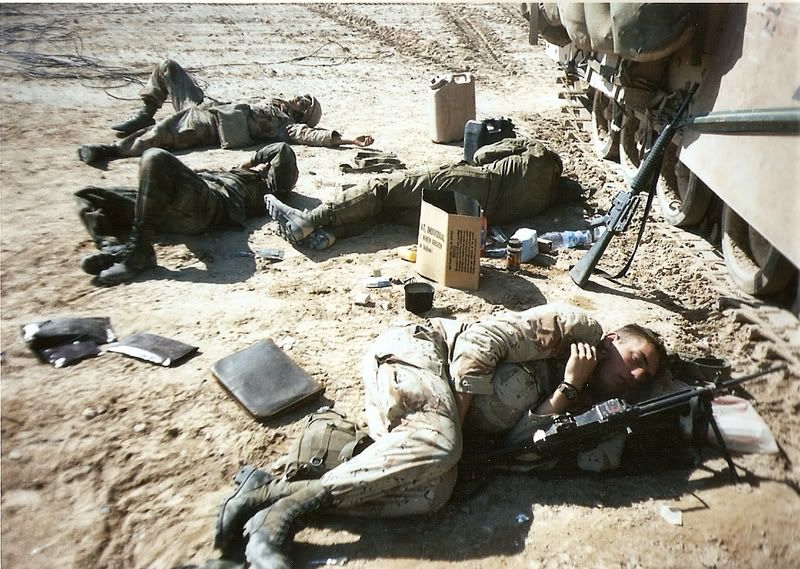
Practice Good Sleep Hygiene.   Breaking bad sleep habits not just learned but ingrained in the military can take a lot of time and effort.  Those include sleeping not at a regular time but whenever you can; pgulf13.jpg image by jpeters_photosiecing together sleep throughout a 24-hour or longer period; learning to sleep with one eye (or ear) open to remain watchful for the enemy; never getting a full night’s sleep; waking up for guard duty or other night-time tasks, then having to go back to sleep for an hour, two, or three afterwards; overuse of caffeine and other stimulants; performing all daily tasks  like eating, reading, watching a DVD, cleaning your weapon on the same cot, bunk, mat, or vehicle where you sleep because it’s the only home you have.  But in order to correct these and other issues, first, you need to know what to do.
Sleep hygiene means controlling all the elements and aspects of your sleep environment, your sleep, and how they interrelate.  Good sleep hygiene is also easy to do and doesn’t require any special equipment or training.  After years of personal experienced, I believe that practicing good sleep hygiene should be first and foremost in any effort to improve sleep quality. 

Here are some good recommendations from the National Sleep Foundation (http://www.sleepfoundation.org/article/ask-the-expert/sleep-hygiene) and the American Academy of Sleep Medicine (http://www.sleepeducation.com/Hygiene.aspx). 

See a sleep medicine professional.  I’ve found that a lot of Gulf War veterans have no idea that sleep medicine specialists exist, let alone that they are common within the VA medical system.  Get a referral to one from your primary care physician and see what they can do to help.

Treat Pain.  Effectively treating pain is also critically important in order to be able to fall and remain asleep.  Recognize that some pain medications may provide sleep, but not necessarily provide restful or refreshing sleep.  Studies have shown, however, that most paradoxically, however, getting good quality sleep may actually help relieve some pain, particularly in veterans with fibromyalgia and chronic widespread pain.  My own experience has proven this to be true as well, at least for me, so maybe getting better quality sleep will work for you, too in helping manage chronic widespread pain. 

Treat PTSD, anxiety, and depression.  All of these can have severe, negative effects on sleep, including falling and staying asleep, feeling well rested, or even sleeping too much and waking up feeling awful.  Some medications for treating these conditions can also affect sleep, either positively or negatively.  Be sure to talk candidly with your health care providers to be sure you’re getting just the right medications, doses, and in the right combinations.

Treat other health issues.  It is of key importance to treat other health symptoms, including respiratory, sinus, gastro-intestinal, and other diseases, illnesses, and symptoms.    As mentioned above, and will be discussed in a future column on G-I issues, untreated or poorly controlled GERD can lead to severe sleep disruption and damage to the lungs, airways, esophagus, and more.

Exercise.  Getting good exercise is an important component to getting good quality sleep.  However, for Gulf War veterans like me, exercise helps reduce chronic widespread pain but worsens chronic fatigue, so exercise and rest become more of a delicate balancing act.

Mindfulness, Muscle Relaxation, and Deep Breathing Training .   All of these used together can have a significant positive effect on getting to sleep and getting back to sleep after awaking after whatever kind of sleep episode.  I learned about deep breathing exercises, deep relaxation, and mindfulness from a health psychologist to which the VA sent me (contracted via fee basis) for pain control and coping with the awfulness of new total disability.  Here’s an excellent write-up about these: (http://www.helpguide.org/mental/stress_relief_meditation_yoga_relaxation.htm).  While I don’t yet practice Yoga or Tai Chi, there’s a lot of evidence that suggests these are very good for improving sleep and controlling pain as well. 

Take Appropriate Sleep Medications.  After trying all of the above, if you’re a Gulf War veteran like me, you might still have serious sleep issues.  Thankfully, there are a number of medications that can help.

In general, I have found that over the counter sleeping pills make me feel much worse after only a night or two.  While they can certainly help you to fall asleep, they don’t always provide the best quality sleep, which can lead to the negative sleep cycle discussed earlier, making pain and other chronic symptoms worse.  Antihistamines like Benadryl can be used in a quick fix to fall asleep, but can lead to next day “hangovers” of grogginess and other symptoms.

Your doctor might consider prescribing low-dose anti-anxiety medications like Xanax or Valium, thought they should be used very carefully and exactly as prescribed -- using these on a daily basis can lead to tolerance and worse.  Anti-seizure and anti-depressants can also have effects on sleep that are desirable for people with sleep disorders and symptoms. 

Seroquel, an anti-psychotic medication prescribed for a host of “off-label” uses is often given for sleep issues.  For me,  at low doses (50 mg) it’s definitely my all time favorite because it allows me to get good quality, restful sleep and even to dream again after years of dreamless, fitful sleep. 

While they might not be able to cure you, the Sleep or Mental Health clinics can help with prescribing medications to help you fall asleep, stay asleep, and get better quality, restorative, restful sleep. 

CPAP.  A machine to help in breathing while sleeping, called a CPAP (continuous positive airway pressure), has been found to help a lot with obstructive and mixed sleep apnea, fibromyalgia, and some neuromuscular diseases.  The CPAP consists of a base unit plugged into the wall with a breathing tube attached.  The CPAP blows air at a constant pressure, helping to ensure continued breathing during periods of breathing stoppage (apneas or hypopneas).

A recent study of Gulf War veterans suffering from chronic multi-symptom illness suggests that the use of a CPAP machine can help alleviate many symptoms, including not only feeling unrefreshed after sleep, but also chronic widespread pain, muscle and joint pain and weakness, irritable bowel issues, debilitating fatigue, and immune dysfunction and related chronic infections.

And, there have been enough studies of the use of a CPAP to help relieve the chronic widespread pain of fibromyalgia that VA will now prescribe a CPAP machine for those diagnosed with fibromyalgia, a presumptive condition for service-connection for Gulf War veterans. 

Let’s be candid:  trying to fall and stay asleep with a plastic mask or piece in your nose or over your mouth and nose (depending upon the model your doctor provides you) is challenging for healthy people.  Hearing the hum of the machine and hearing your breathing louder and more raspy than normal are not easy to get used to either.  Add in abnormal difficulties in falling and/or staying asleep, and getting used to wearing the breathing portion of the CPAP is not going to be easy. 

I’ve got a very nice electronic CPAP provided by my VA sleep clinic.  It even integrates distilled water (you have to fill it manually) to help prevent the mouth, throat and nose dryness associated with older CPAP models.  I’ll be the first to admit that it’s just very difficult to adapt to using it, but I’ll keep trying and encourage you to do the same because the science suggests that it really can help with many of our worse symptoms.

As one sleep apnea blogger puts it, think of it as snorkeling while you sleep!

SUMMARY

At the end of the day, getting good quality sleep that is restorative, refreshing, and of sufficient duration and quality can be very difficult.  However, starting with improved sleep hygiene, consulting with a sleep medicine professional, and controlling pain and other symptoms are all critically important components. 

Without adequate, good quality sleep, a negative downward spiral can result that makes everything much worse, particularly chronic pain.  With worse physical and mental health symptoms, even worse sleep results, and the down the negative feedback spiral goes.

Lifestyle changes might even be required, like using a CPAP. But remember, lifestyle and medication changes are just a small price to pay for still being alive after our combat experiences.  To be candid, implementing them properly may not result in us returning to 100 percent functionality, but can result in having a decent enough quality of life to enjoy our loved ones and to continue to contribute or otherwise find enjoyment in still living. 

Good luck, and God bless.

-Anthony
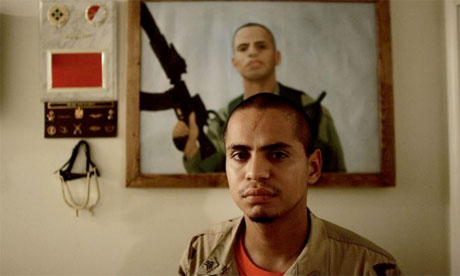
Friday, September 24, 2010

New Initiative Seeks to Educate Consumers, Providers about Safe Use of Pain Therapies


Written by the American Pain Foundation

(APF.org) - The American Pain Foundation (APF) is proud to launch PainSAFE™ (Pain Safety & Access For Everyone), a new initiative that educates people with pain and health care professionals about the appropriate and safe use of pain management therapies in an effort to reduce risk and improve access to quality pain care. 

What is PainSAFE?

PainSAFE is a web-based initiative that offers up-to-date information, practical resources and tools to inform consumers about pain treatment options and their safe use. It also includes a central hub of evidence-based information and practice-based tools for health care providers. PainSAFE was created with input from expert advisors, people living with pain and allied organizations to address safety related to all pain management therapies. The content of PainSAFE will continue to evolve and adapt as scientific and policy research uncovers new findings about pain treatment and safety and the real-world effects of recommended approaches.

How can PainSAFE help you?

Patient safety is a pressing health care challenge that affects millions of people. Pain management therapies provide significant benefits to people with pain but no treatment option – including the decision not to treat pain – is without risk.

PainSAFE can empower and educate both consumers and health care providers about the safe use of pain management therapies, thereby helping to reduce risk and improve access to quality pain care.

Learn more about PainSAFE

Visit PainSAFE at www.painsafe.org to explore the information and resources available to you. Spread the word. Share this with your family members, friends and your pain management team members.