Wednesday, August 25, 2010

Study: Bipolar Disorder Common in Fibromyalgia, a Presumptive Condition for Gulf War Veterans

Written by Jessica Ward Jones, MD, MPH Associate News Editor, Psych Central

Reviewed by John M. Grohol, Psy.D.

(Psych Central) - Many fibromyalgia patients may also suffer from bipolar disorder as well as depression.

New research suggests that just over 25 percent of patients with fibromyalgia also have symptoms of bipolar disorder.

According to Dr. William Wilke from the Cleveland Clinic in Ohio and his colleagues, “the most important finding of our study pertains to the high prevalence of a positive screen for bipolar disorder in patients with fibromyalgia.”

Fibromyalgia is a condition which causes painful muscle, joint and body aches.  More common in women, it can also cause fatigue, daytime fatigue, and other symptoms.  The causes are unknown and may affect up to five percent of the population. It is thought that depression can at some point affect 90 percent of patients with fibromyalgia.  According to the National Institute for Mental Health, depression affects 6.7 million Americans a year, and bipolar disorder affects 2.6 million.

To determine the frequency of bipolar disorder in patients with fibromyalgia, Wilke and his colleagues assessed 128 consecutive fibromyalgia patients who had been newly referred to a rheumatology practice.   The patients were asked to complete four different questionnaires, the Mood Disorder Questionnaire (MDQ) for bipolar disorder, the Beck Depression Inventory (BDI), the Epworth Sleepiness Scale (ESS) for daytime sleepiness, and the Fibromyalgia Impact Questionnaire Disability Index (FIQ-DI).

Wilke found that of the fibromyalgia patients, according to the MDQ screen, 25.19 percent of the patients were likely to have bipolar disorder.

Over 78 percent of the fibromyalgia patients were clinically depressed according to the BDI.

The Epworth Sleepiness scale revealed that 52.13 percent of the patients reported daytime sleepiness.

Of the patients who tested positive for bipolar disorder, their depression was measured as more severe according to the BDI.

In addition, of the patients who screened positive for depression, almost one third also screened positive for bipolar disorder as well.

Wilke’s team found that, with the exception of severe depression, there were no other clinical clues that suggested depression or bipolar disorders except for the screening questionnaires. “Clinical data and questionnaire instruments other than nonspecific high depression severity failed to identify these patients.”

The authors also point out that certain medications used in treatment of fibromyalgia may have the potential of triggering mania in some bipolar patients.  ”We urge that bipolar disorder risk be carefully assessed in all patients with fibromyalgia prior to initiation of drug therapy, particularly since norepinephrine serotonin reuptake inhibitors may carry elevated risk for induction of mania.”

Wilke’s results can be seen in the August edition of the medical journal Bipolar Disorders.

Related News Articles

Related Clinical Articles

NPR: Remembering The First Gulf War, 20 Years On


(NPR) - In August of 1990, Saddam Hussein's army marched into Kuwait, prompting the launch of Operation Desert Storm.

American and coalition forces crushed the Iraqi military, but stopped short of toppling Hussein -- a move some critics say set the stage for the current war in Iraq.

Two veterans of Desert Storm look back at the legacy of the first Gulf War in this NPR exclusive, which notes that Gulf War Illness is one of the war’s lasting legacies.

See the FULL STORY here.

Virus link to chronic fatigue studied

Editor’s note:  Chronic, debilitating fatigue is among the most commonly reported Gulf War Illness symptoms.  Chronic Fatigue Syndrome is a presumptive condition for VA service-connected disability claims.

---------------

Written by the Associated Press

(WASHINGTON – AP)  — A U.S. government study has uncovered a family of mouse viruses in some people with chronic fatigue syndrome, raising still more questions about whether an infection may play a role in the complicated illness.

Monday's study does not prove that having any of these viruses causes harm, stressed co-author Dr. Harvey Alter of the National Institutes of Health.

But it strengthens suspicions, and the government has additional research underway to determine if the link is real or not.

Meanwhile, a group of French and Canadian scientists said it's time to test whether antiviral medications like those used against HIV might treat at least some people with chronic fatigue.

The virus connection first made headlines last fall when Nevada researchers reported finding a specific type, named XMRV, in the blood of two-thirds of the 101 chronic fatigue patients they tested. But several other studies, including one from the Centers for Disease Control and Prevention, failed to find XMRV virus in patients, making researchers wonder if this was a false alarm.

Monday's study, published in Proceedings of the National Academy of Sciences, thickens the plot. This time, NIH and Food and Drug Administration scientists examined the blood of 37 chronic fatigue patients and again didn't find XMRV — but instead they found a group of closely related bugs named MLV-related viruses in 86% of the cases.

Testing of 44 healthy blood donors, in contrast, found evidence of those viruses in nearly 7%.

Various viruses have been linked to chronic fatigue over the years only to fall by the wayside as potential culprits in the mysterious illness thought to afflict about 1 million Americans. It's characterized by at least six months of severe fatigue, impaired memory and other symptoms, but there's no test for it and no specific treatment.

These MLV, or "murine leukemia-related viruses," are known to cause some cancers in mice, and the XMRV relative has been found in some human prostate tumors, too.

But there's no easy way to test for it, meaning studies of a link at this point must be in research labs, not doctors' offices, FDA and NIH researchers said Monday.

No one knows how people become infected, but Alter said a major study is underway to see if there's any evidence of transmission through blood.

In the meantime, federal regulations require that blood donors be in good health, said FDA's Dr. Hira Nakhasi.

Tuesday, August 24, 2010

Gulf War Veteran with Terminal Brain Cancer Leads Texas Support Group

By Alex Hinojosa \ El Paso Times

Clemencia Prieto, right, points out the amount of research Robert Lefferts, left, has done to help the support group at the Rio Grande Cancer Foundation. (Fernie Castillo / El Paso Times)

(El Paso Times – El Paso, Tex.) -- The diagnosis of a brain tumor feels like a death sentence for many patients.

But a new support group in East El Paso is helping a small group of survivors face their conditions and look toward the future.

The group is small, but its members' goal is not. They want to live one more year without a recurring brain tumor.

The eight-member Brain Tumor Support Group meets at the Del Sol Regional Oncology center and is led by a Gulf War veteran and former Fort Bliss air defense soldier, Robert Lefferts.

It is the first brain tumor support group recognized by the Rio Grande Cancer Foundation.

The second Tuesday of every month, its members share information and their frustrations and triumphs with brain cancer.

"I've done some remodeling on my home," Augie Vega said during a recent meeting. "People are wondering what I'm doing, but I couldn't just sit at home anymore. I had to get up and do something, and because of that my upper-body strength is finally coming back."

Vega has stage 2 Oligodendroglioma brain cancer.

Lefferts, wearing a self-designed shirt that reads, "I will never stop fighting. You can beat Brain Cancer too," offered words of encouragement during a recent meeting.

"That's right. You don't just lie and wait," he said. "Cancer doesn't control you. You are in control of the cancer."

Lefferts was diagnosed in late 2009 with terminal brain cancer -- stage 4 glioblastoma multiforme. Doctors told him he only had about a year to live.

The news sent him into a depression.

But after a reading "The Last Lecture" by Randy Pausch, and visiting livingwithbraincancer.com, his military discipline pushed him to pick himself up.

"I had two options, to lay there and just die or do so something about it," Lefferts said. "I decided to find out everything I could about my disease. And I fired my first doctor and went to get a second opinion."

To find answers, support and inspiration, he turned to books and the Internet.

At first, he found nothing but death. He found descriptions of symptoms that led to a final end.

But he continued to push forward and found inspiration through survivors who lived 20 years -- a rarity because most patients with his diagnosis are typically given about 18 months to live.

"I wanted to do something and reach out to people like me that need help," Lefferts said. "When I searched for local support, there was no one that specifically held a support group for those with brain tumors, brain cancer or for their families and caregivers. So I decided to start my own."

He has become an advocate for himself and others with brain tumors, and he grills his doctors about his disease.

"I record every piece of information I receive," Lefferts said. "Afterward, I take the information the doctor told me and pass along the information. I pick up books, pamphlets and any other information I can get my hands on, and then I pass it on. Everyone should be educated about their disease."

He also tries to stay in touch with longtime survivors and uses them as a source of inspiration for himself and others.

"The main thing to do in our group is to set goals and never give up," Lefferts said. "With goals you remained focused and determined. My goal is to make it to make it to the next five years."

Information about the support group: Jutta Ramirez at 562-7660 or Robert Lefferts at 585-1551 and at sfc.ret.lefferts@gmail.com

More information

  • Who: Patients and families or caregivers of patients diagnosed with brain cancer, brain tumors or both.

  • When: Second Tuesday of every month.

  • Where:"10460 Vista Del Sol Drive, Suite 101.

  • Time:"5:30 p.m. to 7:30 p.m.

  • Contact: Jutta Ramirez at 562-7660 or Robert Lefferts at 585-1551 and at sfc.ret.lefferts@gmail.com.

  • For more information about brain cancer: Visit the National Brain Tumor Society at www.braintumor.org or the American Cancer Society at www.cancer.org.

    Monday, August 23, 2010

    New Research Shows Craniosacral Therapy Reduces Chronic Pain, a Common Gulf War Illness Symptom


    (Massage Magazine) - Craniosacral therapy, a light-touch bodywork technique practiced by many massage therapists, has been found in new research to provide "significant reduction in pain" in fibromyalgia patients.

    The randomized, controlled trial investigated the effects of craniosacral therapy on pain and heart rate variability in fibromyalgia patients, according to a report published on www.pubmed.gov. It was conducted by researchers from the Department of Nursing and Physical Therapy at the University of Almería, in Spain.

    "Fibromyalgia is a prevalent musculoskeletal disorder associated with widespread mechanical tenderness, fatigue, non-refreshing sleep, depressed mood and pervasive dysfunction of the autonomic nervous system: tachycardia, postural intolerance, Raynaud's phenomenon and diarrhea," the researchers noted.

    Ninety-two patients with fibromyalgia were randomly assigned to an intervention group or placebo group, according to the report. Patients received treatments for 20 weeks. The intervention group underwent a craniosacral therapy protocol and the placebo group received sham treatment with disconnected magnetotherapy equipment.

    Results include:
    • After 20 weeks of treatment, the intervention group showed significant reduction in pain at 13 of the 18 tender points;
    • At two months and also at one year post therapy, the intervention group still showed significant differences in pain reduction versus baseline in several tender points.

    "Craniosacral therapy improved medium-term pain symptoms in patients with fibromyalgia," the researchers concluded.

    Results of the study are running in the Aug. 11 issue of Clinical Rehabilitation.

    Related articles
    Craniosacral Therapy Eases Multiple Sclerosis Symptoms
    Manual Lymph Drainage Therapy and Connective Tissue Massage Ease Fibromyalgia Symptoms
    Spa Therapy for Fibromyalgia
    Massage Improves Sleep, Decreases Pain and Substance P in Fibromyalgia Patients

    Sunday, August 22, 2010

    Study: Nighttime Breathing Machine Can Alleviate Sleep, Other GWI Symptoms

     
    Written by Anthony Hardie, 91outcomes.com

    (91outcomes.com) - A new scientific study published in the August 19, 2010 edition of the medical journal Sleep and Breathing shows that a machine can help relieve sleep and other symptoms in veterans of the 1991 Gulf War suffering from Gulf War Illness.

    The machine, called a Continuous Positive Airway Pressure (CPAP), is connected by the patient while sleeping to a tube connected to the nasal passageways, or sometimes using a slightly larger face mask that also covers the mouth. 

    In the study, sleep and other GWI symptoms showed great improvement.

    Previous studies have found conditions related to disturbed sleep in Gulf War veterans suffering from Gulf War illness, including apneas and hypopneas, pauses in breathing and insufficient oxygen inhalation during breathing while sleeping.   

    This latest study suggests a possible treatment that might help alleviate some of Gulf War veterans’ symptoms.

    For many years, the U.S. Department of Defense (DoD) focused its studies related to Gulf War veterans’ illnesses almost exclusively on stress.  Under continuous pressure from ill Gulf War veterans, including through Congress hearings, a new research focus aimed at treatments and improving the health and lives of Gulf War veterans was begun in 2006.

    Predictably since that new focus, scientific study results from a number of fields, including neurology, sleep medicine, rheumatology, gastroenterology, and others have begun unraveling the so-called “mysteries” of Gulf War illness. 

    Studies like this one may provide real benefit for ill Gulf War veterans. 

    CPAP machines are available through VA sleep clinics at VA medical centers.  The newest CPAP machines can also serve as a form of diagnosis by monitoring and recording the time, duration, and nature of sleep disturbance episodes.

    The study’s abstract is below for those more scientifically minded.

    ---------------------------

    The effect of nasal continuous positive airway pressure on the symptoms of Gulf War illness

    By Mohammad M. Amin, Morris S. Gold, Joan E. Broderick and Avram R. Gold

    ABSTRACT
    Purpose 

    We performed a pilot study to determine whether nasal continuous positive airway pressure (CPAP) alleviates the symptoms of veterans with Gulf War illness (GWI) and sleep disordered breathing (SDB).

    Methods 

    Eighteen male veterans with GWI and SDB recruited by advertisement, participated in a randomized, single-masked, sham-controlled treatment trial. Participants received 3 weeks of treatment during sleep with either therapeutic nasal CPAP or sham nasal CPAP. Using validated questionnaires, pain, fatigue, cognitive function, sleep disturbance, and general health were assessed by self-report before and after treatment. One of the participants assigned to therapeutic CPAP was excluded from the trial before starting treatment, leaving 17 participants.

    Results 

    Compared to the nine sham nasal CPAP recipients, the eight participants receiving therapeutic nasal CPAP experienced improvements in pain (34%; p = 0.0008), fatigue (38%; p = 0.0002), cognitive function (33%; p = 0.004), sleep quality (41%; p = 0.0003), physical health (34%; p = 0.0003), and mental health (16%; p = 0.03).

    Conclusions 

    Our findings in this pilot study suggest that nasal CPAP may greatly improve symptoms in veterans with GWI and SDB.

    Keywords  Gulf war illness - Functional somatic syndromes - Nasal continuous positive airway pressure - Sleep disordered breathing - Sleep stage shifts

    Study: Tai Chi improves symptoms of fibromyalgia, a Presumptive Condition for Gulf War Veterans


    Written by Shari Roan, Los Angeles Times

    People with fibromyalgia have to think creatively for relief from their symptoms. There are only a few approved medications for the condition, which causes chronic aches and pains, sleep disturbances, fatigue and depression. Many patients opt for a combination of medications, lifestyle changes and cognitive behavioral therapy to remain functional.

    A study released Wednesday suggests that tai chi, a Chinese form of martial arts, significantly improves symptoms. Tai chi is a mind-body practice that uses gentle movement, breathing exercises and relaxation to move energy -- called qi -- throughout the body. In the study, researchers at Tufts Medical Center in Boston assigned 33 fibromyalgia patients to a tai chi program and 33 patients to a program consisting of wellness education and stretching. Both groups participated in one-hour sessions, twice a week for 12 weeks.

    The study, published in the New England Journal of Medicine, found that the patients in the tai chi group improved much more than the control-group patients. On a 100-point scale that measures fibromyalgia symptoms, with 100 being the most severe, the tai chi patients' scores decreased an average of 27.8 points compared to 9.4 points in the control group. More people in the tai chi group stopped taking their medications and reported better sleep quality and less pain and depression.

    How tai chi works to reduce fibromyalgia symptoms is unknown, but it is likely a multi-factorial impact that includes improved muscle strength, psychosocial well-being, relaxation and rest that "may raise pain thresholds and help break the 'pain cycle,' " the authors wrote.

    An editorial accompanying the paper called the results "striking" but said it's too early for a doctor to "take out a prescription pad and write 'tai chi.' " The results of the study could be due to an enthusiastic tai chi teacher and the well-known placebo effect, the authors of the editorial wrote. Future studies should rigorously test similar therapies, such as yoga, to compare results. And, they note, mind-body exercise programs may not help everyone.

    FBI Agent, 19 Others Vote Against Narcolepsy Drug For Fibromyalgia, a Presumptive Condition for Gulf War Veterans

    Written By Katherine Hobson, Wall Street Journal

    (Wall Street Journal) - An FDA panel of outside experts — including an FBI agent! — voted against expanding the use of Jazz Pharmaceuticals’ narcolepsy drug to fibromyalgia, in part because of its potential as a street drug.

    An illegal form of sodium oxybate is similar to the drug GHB, Dow Jones Newswires reports. As the NPR Shots Blog noted in the run-up to the meeting, GHB gained notoriety for its use as a date rape drug. Right now sodium oxybate is distributed for use against narcolepsy only under heavy restrictions, and while panel members agreed it seemed effective against fibromyalgia symptoms in some patients, they were concerned about the potential for its misuse.

    TheStreet.com’s Adam Feuerstein, who live-blogged (and Tweeted) the advisory panel’s meeting, reported that an FBI agent was invited by the FDA to participate in the panel, presumably because of the questions about the drug’s way-way-way-off-label potential. She and 19 others voted no on the critical question of whether the benefits of marketing the drug to treat fibromyalgia outweighed the risks. Two panelists voted yes. (The company, obviously, said at the meeting that it believes the benefits do outweigh the risks, DJN reports.)

    The panel didn’t shut the door forever on the drug, saying Jazz should keep working on it as a possible fibromyalgia therapy, DJN says. “While we are disappointed with the recommendation” of the committee, “we plan to work closely with FDA on the continuing review of our new drug application,” said Bruce Cozadd, chairman and CEO of Jazz, in a statement. The company will “carefully consider” the committee’s input as it “seeks to address the needs of fibromyalgia patients for new treatment options in a safe and reasonable way.”

    The concerns about potential abuse and misuse were highlighted in the documents the FDA itself released earlier this week, in advance of this meeting. Say it together with feeling, everyone: The FDA usually, but doesn’t always, follows the advice of its advisory panels.

    Saturday, August 21, 2010

    Dr. Robert Haley’s Theories on Gulf War Illness Updated

    Written by the Division of Epidemiology, University of Texas-Southwestern

    (UT-Southwestern – Dallas, Tex.) - Dr. Robert Haley and colleagues at UT Southwestern have been conducting epidemiologic, clinical and laboratory research on the "Gulf War syndrome" and related neurologic illnesses in Gulf War veterans since March 1994. The work has been supported by a continuing grant from the Perot Foundation and by a cooperative agreement with the U.S. Department of Defense. The objectives of the research are to define new or unique clinical syndromes among Gulf War veterans, determine their causes, identify areas of damage or dysfunction in the brain and nervous system responsible for the symptoms, develop a cost-effective battery of clinical tests that can diagnose the illness, search for underlying genetic traits that might predispose to the illness, and perform clinical trials of promising treatments.

    The initial studies identified three primary syndromes in a Naval reserve construction battalion (seabees) that appear to be unique, demonstrated that the syndromes are associated with subtle dysfunction of the brainstem and lower parts of the brain, and found epidemiologic associations between the syndromes and risk factors of exposure to combinations of chemicals in the Gulf War.

    Genetic studies have identified a genetic trait (PON1 enzymes) that may explain why some soldiers sustained brain damage from exposure to neurotoxic chemicals while others working alongside them remained well. Most recently, research using magnetic resonance spectroscopy has demonstrated a loss of functioning brain cells in deep brain structures of ill Gulf War veterans. Additional commentaries by Dr. Haley have challenged the government's stress theory of Gulf War syndrome and findings of no difference in mortality, hospitalization and birth defects between Gulf War-deployed and nondeployed military populations. Additional research and publications are in process.

    1. A list of the papers published in peer-reviewed scientific journals.

    2. Findings showing that there is a Gulf War syndrome, it is due to organic neurologic dysfunction, and it is associated with exposure to combinations of chemicals in the Gulf War.

    3. Dr. Haley's refutation of the stress theory of Gulf War illness.

    4. Dr. Haley's refutation of government research showing no increase in mortality, hospitalization, or birth defects in Gulf War veterans compared with the nondeployed military population

    5. Findings on the genetic predisposition to Gulf War Syndrome.

    6. Findings linking dizziness in Gulf War Veterans to subtle brain injury.

    7. Findings on brain cell loss by magnetic resonance spectroscopy.

    8. Findings on abnormal brain dopamine levels.

    9. Stress does not cause pyridostigmine to enter the brain.

    VA Claims Office Snafu Raises Concerns for Gulf War Veteran Disability Claims, Retaliation


    Editor’s Note:  VA Officials who read this website should ensure immediate action is taken by VA to quickly and thoroughly investigate this allegation of relation against a Gulf War veteran.

    ---------------------

    Written By Glenn McBride

    I embarrassed the Roanoke Virginia VARO back in April of this year [see story below], and they have been gunning for me every since. Here is the Fox News story.

    I went in to the Roanoke VARO on Tuesday the 17th of August 2010 and a veteran asked me for advice as he heard me talking to my friend about his VA problems. I assisted the veteran in filing a 4138 requesting a copy of his entire C&P file from the VARO. Within minutes I was arrested by 3 armed federal protective service guards and 2 level 8 VA managers. The charge was solicitation.

    I would appreciate the opportunity to get this into the media. If veterans are not free to speak to each other about their VA claims while on VA property, do we really have freedom of speech?

    -----------------------------

    Written by Jana Winter, FOXNews.com

    Photo courtesy of Glenn McBride

    (FOXNews.com) - Glenn McBride, a 14-year veteran of the Army, received a perplexing letter from the Department of Veterans Affairs that included a request for more information about his "menstrual disorder."

    Last month, a decorated Gulf War hero received a letter from the Veterans Affairs Administration that said: We are working on your claim for menstrual disorder.

    There was just one problem: The claim was submitted for fibromyalgia.

    Make that two problems: The claim was submitted by Glenn McBride, a 40-year-old man from Roanoke, Va., who most definitely does not get menstrual cramps.

    It's a bad sign when your health insurance provider can’t figure out which gender reaches for the Midol. (Hint: it's the one without the prostate.)

    The Department of Veterans Affairs is notorious for bungling health care benefits, and its Roanoke regional office, which handled McBride's claim, has long been considered among the worst.

    Glenn McBride, pictured during Operation Desert Storm

    YOU MIGHT ALSO BE INTERESTED IN
    Time of Reckoning for Obama, Pelosi
    Ouch!10 Biggest Brand Nightmares of 2010
    Avoid Falling Victim to a Speed Trap
    Man Dies After Donating Part of Liver to Brother
    Birth Order Affects Child's Intelligence, Personality

    In September 2009 a surprise inspection found the office was collapsing under the weight of its own bureaucratic incompetence. Literally.

    Its filing system — floor-to-ceiling stacks of overfilled file cabinets and loose claims folders — weighed twice as much as the building's structure allowed, threatening the lives of everyone inside. Inspectors also found missing and improperly filed, stored and processed claims, among other problems. The regional office was ordered to overhaul the health care processing center completely.

    By last month, six months later, there should have been some improvement. Instead, McBride received a letter that included this perplexing request for additional information:

    "On the VA Form 21-4138, Statement in Support of Claim you sent on October 8, 2009, you included menstrual disorder. Please specify what you intended to claim for this condition."

    Click here to see the VA's menstrual letter.

    McBride, whose 14 years of Army service included a combat tour with one of the most highly decorated units during Desert Storm -- and did not include any complaints about menstrual cramps, so far as he can recall -- insists this was not just a clerical error. He says it's one more example of the VA ignoring or messing up claims in order to avoid paying benefits.

    "If the VA does not actually recognize the request, they do not have to give the award," he said. "Sort of like a perverted form of 'See no evil, Hear no evil, Speak no evil.' Most people just throw up their hands in frustration and walk away at this point. That is the VA's plan."

    The VA, asked to comment about McBride's complaint, issued a statement in which it said:

    "The Department of Veterans Affairs' (VA) mission is to be an advocate for Veterans. VA has a responsibility to assist Veterans during the claims process. Part of that duty is to include all possible issues that a Veteran references in his or her initial claim package. VA regrets any confusion that Mr. McBride's claim may have caused. VA Regional Office employees have reached out to Mr. McBride to clarify the confusion, determine the types of issues he wants to claim, and identify any outstanding concerns that he may have."

    Jim Strickland, a veterans advocate who writes a regular health care benefits column on VAWatchdog.org and has his own benefits-related Web site, said he wasn't at all surprised to learn of McBride's "menstrual" letter. "There are 57 regional offices and every one is operating in total chaos and in crisis," he said. "Full frontal mass chaos. Every day."

    Contacted in the middle of the week, Strickland said he'd already received two e-mails from veterans who were mailed the records of other veterans. And he provided his most ridiculous example of a nonsensical claims letter, one that managed to try to collect debt and to discuss overpaying the same debt -- at the same time.

    For Gulf War veterans who fought during a certain time period, certain health conditions are considered presumptive, meaning that such a high percentage of that group has been diagnosed with the condition it's presumed that it was caused by military service, and coverage is automatically granted. Fibromyalgia, a chronic pain condition, is a presumptive one for McBride.

    Because of his years of experience dealing with the VA, McBride likes to provide as much information as possible when he submits claim forms. (He also gets a signed and time-stamped receipt upon delivery.) When he sent in his claim for fibromyalgia, he typed clearly at the top of the form: "This form is an official request for SERVICE-CONNECTION for FIBROMYALGIA." He included an extract of a VA "fast letter" regarding presumptive conditions — basically providing the VA with its own policy on Chronic Fatigue Syndrome, Fibromyalgia and Irritable Bowel Syndrome. "Menstrual disorder" is included in the VA's list of symptoms.

    "The VA just breezed right through the facts and settled on the obscure," McBride said. "The Roanoke office clearly hasn't changed."

    Strickland says the problem at the root of letters like McBride's is a bonus structure paid out to VA claims employees.

    "The more work, the better the bonus is," he said. "It's strictly volume, not quality driven. There is no accountability whatsoever.

    "The art of the Teflon Jacket has been perfected at our VA. They are really totally invulnerable to your criticism."

    When the editor of VAWatchdog.org posted an April Fools Day joke -- "VA DOCTOR TRIES TO GIVE PROSTATE EXAM TO WOMAN VETERAN (April Fool); VA physician: 'Nobody told me the patient was a female. How the hell was I supposed to know that?'" -- McBride sent in his "menstrual" letter.

    It was posted on the same site under the heading, "Today's Whiskey Tango Foxtrot? award goes to the VA's Roanoke, Virginia Regional Office."

    The site's editor describes the award:

    "Every now and then we get a story about the VA that just can't be. But, it is! Because, remember, we're not dealing with regular people ... we're dealing with the VA. That's when we throw up our hands and scream at the sky:

    "'Whiskey Tango Foxtrot?'"

    Which is longhand for: WTF.

    Wednesday, August 18, 2010

    More evidence for fibromyalgia, suicide link

    By Genevra Pittman

    NEW YORK (Reuters Health) - A study of more than 8,000 Americans with fibromyalgia suggests that they are not at an overall increased risk of dying over a given time compared to people without the chronic pain condition.

    Rates of suicide and accidental deaths, however, were higher than average among people with fibromyalgia in the study. Still, the overall risk of suicide was still low and the findings don't prove that fibromyalgia symptoms cause suicide, the authors emphasize.

    The results, published in the journal Arthritis Care & Research, come one month after a study of Danish patients with fibromyalgia also found an increased risk of suicide in these patients compared to the general public, but no increased risk of death overall. (See Reuters Health story of July 16, 2010: Fibromyalgia comes with suicide risk: study)

    "This is an illness which seems to have major suffering associated with it, but isn't associated with physical changes that lead to increased risk of death," Dr. Frederick Wolfe, the study's lead author from the National Data Bank for Rheumatic Diseases in Wichita, Kansas, told Reuters Health.

    Fibromyalgia affects about 2 percent of the U.S. population and is much more common in women than men. People with fibromyalgia suffer from all-over pain and many feel tired all the time. They also have higher-than-average rates of psychiatric illness such as depression or anxiety.

    But there has not been definitive data on whether those with the condition have higher rates of death than the general population.

    To get at that question, Wolfe and his colleagues tracked patients who had been diagnosed with fibromyalgia between 1974 and 2009. Some of those patients were seen in a local clinic, while others had been referred to the National Data Bank.

    The authors collected information on patients' symptoms, including survey responses about their physical and mental health, and kept track of how many patients died from what causes over the course of the study. They were able to follow each patient for an average of 7 years.

    Over the course of the study, 539 of the approximately 8,000 fibromyalgia patients died. This is about what would be expected in a similar group of people in the United States without fibromyalgia over a 7-year period.

    Accidental deaths were responsible for 7.1 percent of deaths in people with fibromyalgia and 4.4 percent of deaths in these patients were from suicide. In a group of similar age and gender distribution but without fibromyalgia, 5 percent would be expected to die from accidents and 1.4 percent from suicide.

    Dr. David Marks, a psychiatrist at Duke University's Durham Regional Hospital in North Carolina who treats patients with fibromyalgia, said he was not surprised by the increased rate of suicide. Like the authors, though, he warned that the overall risk of suicide was still small.

    "Unfortunately, (fibromyalgia) is not taken very seriously in the medical community and the community at large," he told Reuters Health. "Sometimes patients don't get a lot of support."

    "These patients are very demoralized, they feel very isolated and alone," added Marks, who was not involved with the current research.

    Marks speculated that the increased rate in accidental deaths could be due to what's known as "fibro fog," when some people with fibromyalgia "kind of space out," he said.

    Marks hopes that the lack of a significant link between fibromyalgia and overall death rates in this study doesn't mean doctors will see the condition as less legitimate. Even if these patients aren't dying any faster than people without fibromyalgia, he said, they're still suffering. And doctors could do more to prevent and ease that suffering.

    "I think that overall we could probably do a better job meeting the psychiatric needs of fibromyalgia patients," Marks said. "Fibromyalgia in itself is not just a mood disorder or an anxiety disorder. It is a real phenomenon that needs to be taken more seriously."

    SOURCE: link.reuters.com/myr34n Arthritis Care & Research, online July 26.

    Monday, August 16, 2010

    Study: Veterans with GWI have increased frequency of Sleep disturbances due to Multiple Causes


    Written by Anthony Hardie

    (91outcomes.com) - A new study says that veterans of the 1991 Gulf War with Gulf War Illness have measurable differences in their sleep that may distinguish them from their healthy counterparts.

    The study showed that veterans with GWI had an increased frequency of “arousals” from sleep, and that these arousals were related to three different causes:  apneas, hypopneas, and mild inspiratory airflow limitation

    Any of these conditions can lead to excessive daytime fatigue, and problems with memory, cognition, attention and learning – symptoms comm0nly reported by Gulf War veterans suffering from chronic multi-symptom illness. 

    Apnea is  a term for a reduction or pause in breathing and airflow and usually occur during sleep.  While every0ne has apneas from time to time, excessive apneas can be a serious medical condition that deprives the brain and body of needed oxygen.  Apneas are generally of two forms, which can occur separately or together:  “central sleep apnea” is caused by the part of the brain that controls breathing;  “obstructive” sleep apnea is caused by part of the throat or the tongue closing off the airway when the body relaxes during sleep. 

    Obstructive sleep apnea can be treated with the use of a CPAP machine used while sleeping.  There are currently no known treatments for central sleep apnea.

    Apneas are called “mixed” if they include both obstructive and central sleep apnea.

    Hypopnea is a medical term for a disorder which involves episodes of overly shallow breathing or an abnormally low respiratory rate, also known as “underbreathing.”  Hypopneas are less severe than apneas.  Both involve decreased levels of blood oxygen.

    Mild inspiratory airflow limitation is a term used to describe airflow disturbances that are of a lesser nature than apneas and hypopneas.

    The study, entitled, Inspiratory airflow dynamics during sleep in veterans with Gulf War illness: a controlled study, was published in the August edition of “Sleep Breath," a specialized, peer-reviewed scientific journal. 

    Led by Dr. MM Amin and colleagues, the study was conducted in the Sleep Medicine division of the Northport VA Medical Center in New York state.

    Further information on the study is available online from PubMed:  http://www.ncbi.nlm.nih.gov/pubmed/20703820

    DoD Creates 20th Anniversary Website

    DoD has created a web page on the 20th Anniversary. It is called Desert Shield and has timeline/reminisces/news stories and more.

    To see it go to: http://www.defense.gov/home/features/2010/0710_desertshield/

    Thursday, August 12, 2010

    VA Provides information to Veterans on Burn Pits

    The federal VA has provided the following information on its Burn Pit webpage, including linked from the Gulf War webpage (www.va.gov/GulfWar).

    ----------

    Information about potential exposure to toxins from burn pits, possible health-related problems and VA benefits

    Open air burn pits have been used extensively in the current conflicts in Iraq and Afghanistan to dispose of waste.

    Many returning Veterans have expressed health concerns related to their exposure to smoke from burning trash and human waste.


    Exposure to Toxins from Burn Pits

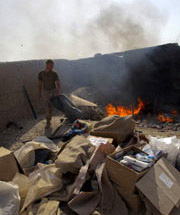
    Man throwing trash into a burn pit
    Photo credit: U.S. Department of Defense

    The smoke from burning waste may release a variety of toxins into the air, which may blow into living and working areas.

    The make-up of the smoke from burn pits:

    • Depends on what is being burned
    • May not be consistent from burn pit to burn pit
    • May not be the same over any period of time at any one burn pit
    Types of Waste Burned

    Waste products include, but are not limited to:

    • Chemicals (e.g., paints, solvents)
    • Incomplete combustion by-products
    • Medical and human waste
    • Metal/aluminum cans
    • Munitions and other unexploded ordnance
    • Petroleum and lubricant products
    • Plastics and styrofoam
    • Rubber
    • Wood waste


    Possible Health Problems from Exposure to Toxins

    Exposure to specific individual toxins may affect the skin, respiratory system, eyes, liver, kidneys, central nervous system, cardiovascular system, reproductive system, peripheral nervous system, and gastrointestinal tract.

    Institute of Medicine Study on Health Effects

    In November 2009, at the request of VA, the National Academy of Sciences Institute of Medicine (IOM) began an 18-month study to determine the long-term health effects of exposure to burn pits in Iraq and Afghanistan.

    The report for the study should be completed and available by summer 2011.


    VA Benefits

    Veterans who were exposed to toxins released by burn pits during military service may be eligible for:


    More Information on Burn Pits

    Wednesday, August 11, 2010

    SECRETARY SHINSEKI’S MESSAGE TO GULF WAR VETERANS


    Secretary Eric K. Shinseki

    August 2010 marks the 20th anniversary of the beginning of the Gulf War, launched with Operation Desert Shield and followed by Operation Desert Storm. VA honors this milestone with a renewed commitment to improving our responsiveness to the challenges facing Gulf War Veterans.

    First and foremost, VA is an advocate for Veterans – we are committed to finding innovative solutions to long standing issues and to empowering Veterans and other stakeholders to be a part of the solution.

    VA recognizes and values the selfless service and sacrifice of Gulf War Veterans and their families, and continues our efforts to address the unique health needs of Gulf War Veterans.

    Today, more than 250,000 Operations Desert Storm and Desert Shield Veterans receive disability benefits from VA. VA has treated nearly 150,000 Operations Desert Storm and Desert Shield Veterans for illnesses associated with their military service. We vow to reach more of these Veterans and have taken steps to do so. Earlier this year, VA proposed a new rule to make it easier for Gulf War-era Veterans to obtain disability compensation and related health care. This rule, once it takes effect, will grant presumptive service-connection for nine infectious diseases associated with military service in Southwest Asia and Afghanistan.

    In addition, VA’s ongoing Gulf War research and Task Force efforts continue to examine multisymptom illnesses, and other conditions associated with service in this conflict. VA continues to participate in Federal research efforts on Gulf War illnesses, contributing more than $158 million of the $406 million in total Federal commitment.

    VA is taking bold steps forward in how we consider and address the challenges facing Gulf War Veterans as well as the challenges facing all Veterans. Our commitment to the Nation’s Veterans is unwavering.

    As your Secretary and fellow Veteran, I pay tribute to all of you who so bravely served and thank all Gulf War Veterans for their heroic efforts. Our Nation owes you a debt of gratitude. We acknowledge and honor the contributions of your service. Thank you.

    --Eric K. Shinseki

    Low Level Sarin can have negative effects on Brain Structure, Function Long After Exposure


    Effects of low-level exposure to sarin and cyclosarin during the 1991 Gulf War on brain function and brain structure in US veterans

    Linda L. Chaoa, b, c, Johannes C. Rothlindb, Valerie A. Cardenasa, c, Dieter J. Meyerhoffa, c and Michael W. Weinera, b, c

    a Center for Imaging of Neurodegenerative Diseases, San Francisco Veterans Affairs Medical Center, 4150 Clement Street, 114 M, San Francisco, CA, 94121, United States

    b Department of Psychiatry, University of California, San Francisco, San Francisco, CA, United States

    c Department of Radiology and Biomedical Imaging, University of California, San Francisco, San Francisco, CA, United States

    Received 10 December 2009;  accepted 16 May 2010.   Available online 24 May 2010.

    Abstract

    Background

    Potentially more than 100,000 US troops may have been exposed to the organophosphate chemical warfare agents sarin (GB) and cyclosarin (GF) when a munitions dump at Khamisiyah, Iraq was destroyed during the Gulf War (GW) in 1991. Although little is known about the long-term neurobehavioral or neurophysiological effects of low-dose exposure to GB/GF in humans, recent studies of GW veterans from the Devens Cohort suggest decrements in certain cognitive domains and atrophy in brain white matter occur individuals with higher estimated levels of presumed GB/GF exposure. The goal of the current study is to determine the generalizability of these findings in another cohort of GW veterans with suspected GB/GF exposure.

    Methods

    Neurobehavioral and imaging data collected in a study on Gulf War Illness between 2002 and 2007 were used in this study. We focused on the data of 40 GW-deployed veterans categorized as having been exposed to GB/GF at Khamisiyah, Iraq and 40 matched controls. Magnetic resonance images (MRI) of the brain were analyzed using automated and semi-automated image processing techniques that produced volumetric measurements of gray matter (GM), white matter (WM), cerebrospinal fluid (CSF) and hippocampus.

    Results

    GW veterans with suspected GB/GF exposure had reduced total GM and hippocampal volumes compared to their unexposed peers (p ≤ 0.01). Although there were no group differences in measures of cognitive function or total WM volume, there were significant, positive correlations between total WM volume and measures of executive function and visuospatial abilities in veterans with suspected GB/GF exposure.

    Conclusions

    These findings suggest that low-level exposure to GB/GF can have deleterious effects on brain structure and brain function more than decade later.

    Study: Exercise Alters Pain Sensitivity in Gulf War Veterans With Chronic Musculoskeletal Pain

    Dane B. Cook, Aaron J. Stegner and Laura D. Ellingson

    Department of Kinesiology, University of Wisconsin, Madison,Wisconsin

    Abstract

    Since returning from the Persian Gulf, nearly 100,000 veterans of the first Gulf War (GVs) have reported numerous symptoms with no apparent medical explanation. A primary complaint of these individuals is chronic musculoskeletal pain (CMP). CMP symptoms in GVs are similar to those reported by patients with fibromyalgia (FM), but have not received equivalent scientific attention. Exercise research in CMP patients suggests that acute exercise may exacerbate pain while chronic exercise can reduce pain and improve other symptoms. However, the influence of exercise on GVs with CMP is largely unexplored. This study examined the impact of an acute bout of exercise on pain sensitivity in GVs with CMP. Thirty-two GVs (CMP, n = 15; Control, n = 17) were recruited to complete a series of psychophysical assessments to determine pain sensitivity to heat and pressure stimuli before and after exercise. In response to heat-pain stimuli, GVs with CMP reported higher pain intensity and affect ratings than healthy GVs and exhibited a significant increase in ratings following exercise. GVs with CMP rated exercise as more painful and effortful and were generally more sensitive to heat-pain stimuli than healthy GVs. These results are similar to what has been reported for acute exercise in patients with FM.

    Perspective

    Gulf War veterans with CMP perceive exercise as more painful and effortful than healthy GVs and experience increased pain sensitivity following exercise. These results suggest that similar abnormalities in central nervous system processing of nociceptive information documented in FM may also be occurring in GVs with CMP.

    Tuesday, August 3, 2010

    VA issues updated Gulf War Review newsletter, poster commemorating 20th anniversary of Desert Shield

    Newsletters — Gulf War Review for Operations Desert Shield and Desert Storm Veterans

    The Environmental Agents Service publishes the Gulf War Review newsletters, providing information especially for Veterans who served in Operations Desert Shield and Desert Storm.

    Subscribe to the Gulf War Review newsletter.

    Gulf War Review July 2010 newsletter cover page

    Current Newsletter

    July 2010 - Vol 17, No 1 (443 KB, PDF)
    Secretary Shinseki Marks 20th Anniversary of Gulf War with Renewed Pledge to Improve Care and Services to Gulf War Veterans, VA Seeks to Cover New Illnesses for Gulf War Veterans...

    View all newsletters


    Poster — Gulf War 20th Anniversary

    Thumbnail of Gulf War 20th Anniversary Poster with timeline and photos

    Gulf War 20th Anniversary — Poster 10-337

    Dimensions:

    Gulf War 20th Anniversary 11" x 17" (915 KB, PDF)

    Gulf War 20th Anniversary 8.5" x 11" (796 KB, PDF)

    Description: A commemorative poster with a timeline and a dozen historical photos related to the Gulf War

    Maybe it’s Fibro? Free Webinar August 12th

    Maybe It's Fibro?

    “Maybe It's Fibro?”
    The Fibro Experience: Perspectives from Peers and Nursing
    Thursday, August 12th - 8 pm Eastern time

    maybe its fibro face pics

    Please join us on Thursday, August 12th at 8 pm Eastern time for a one-hour, live webinar, “Maybe It’s Fibro?” featuring guest speakers who will provide information on fibromyalgia and discuss the chronic widespread pain condition from the perspective of nurses and people living with fibro. We will explore:

    • self-management and coping strategies,

    • the concept of the nurse as an ally,

    • how a nurse’s training and role can advance patient care and management,

    • tips on what people living with fibro can do to aid in their pain management plan, and

    • hurdles, successes and much more.

    Speakers:

    Kim Dupree Jones, RN, PhD, FNP is an associate professor in the Schools of Nursing and Medicine at Oregon Health & Science University (OHSU) in Portland. She earned her bachelor’s degree in nursing from the University of Tennessee, her master’s and nurse practitioner endorsement from Emory University, Atlanta, and her doctorate in exercise physiology from OHSU. Kim has also completed a post-doctoral degree in neuroendocrine physiology. She is an international speaker for patients, clinicians and researchers investigating fibromyalgia and maintains a clinical practice at OHSU in which she evaluates and treats people with fibromyalgia. Kim currently is the president of the Fibromyalgia Information Foundation (www.myalgia.com), a non-profit organization whose aim is to disseminate scientifically sound fibromyalgia data.

    Ashley Mahoney has been a volunteer advocate with the American Pain Foundation’s (APF) Action Network since its inception in 2006. Ashley was diagnosed as a college student with fibromyalgia and reflex sympathetic dystrophy in 2003. As a Georgia state leader for the Action Network, she works within the community as an activist for people living with pain. Ashley received her bachelor’s degree in communications from Reinhardt College, Waleska, Ga., and works in the insurance industry. She is a mother to a little boy and loves being a mom.

    Mark Maginn, MSW, ACSW, volunteers as a California state leader for the APF Action Network. As a pain advocate, he provides information to the public and works on policy issues that arise in state and national government. Mark knows pain intimately as he has lived with fibromyalgia and other pain conditions including osteoarthritis, Bechet's disease and microscopic colitis for more than 30 years. He previously worked as a psychotherapist and adjunct professor of psychology, focusing on post-traumatic stress disorder. Mark’s pain prevents him from continuing to work as a psychotherapist and teacher, so he now writes poetry and is working on a memoir of his experience with pain. He has recently accepted an appointment to APF’s Pain Community Advisory Council (PCAC) which serves to advise the APF Board of Directors, CEO and staff to insure that the programs, actions and positions are guided by and grounded in the experiences of people who live with pain.

    Carolyn Noel is APF’s project specialist working on fibromyalgia projects, the Military/Veterans Initiative and APF’s website. She is an APF Action Network state leader in Georgia and is a member of the steering committee of the Georgia Pain Initiative. Carolyn was diagnosed with fibromyalgia and other pain conditions including degenerative disc disease, six herniated discs, a traumatic brain injury, peripheral neuropathy, basilar artery migraines, sciatica and more following a 2002 car accident. She spent nearly five years in a wheelchair and is now walking again and shares her story of the many challenges and successes as a means of inspiration to others living with pain. Carolyn served for six years in the Marine Corps and advocates for her fellow veterans, military personnel and civilian pain patients alike, participating in numerous speaking engagements and media opportunities.

    Space is limited so please register today.  Please note that registration is a two-step process.

    • Visit the registration page to being the process. Complete the registration questions and click the “Register” button.

    • Check your email for a message from ops@infiniteconferencing.com to confirm your registration. Be sure to check your junk or spam folders if you don’t receive the email.

    • After clicking the link in the confirmation email, you will receive a second email with links to access the webinar and a phone number to call at the scheduled day and time. Please make sure to run the system test before the webinar.

    If you need assistance with registering, please contact us at webinar@painfoundation.org.

    Thank you,
    American Pain Foundation

    This Webinar and email were  developed in collaboration with Pfizer.

    Monday, August 2, 2010

    August 2nd: 20 Years Today Since Iraqi Invasion of Kuwait

    PHOTO:  Iraqi tanks invade Kuwait, August 2, 1990.

    Written by Anthony Hardie, 91outcomes.com

    (91outcomes.com) – Twenty years ago today, Iraq invaded its neighbor Kuwait over an oil dispute, paving the way for a U.S.-led international military coalition to expel Iraq from Kuwait and for two more decades of war in the region.

    In all, 696,842 U.S. troops served in the war, which was to begin five and a half months later on January 17, 1991 after months of diplomatic positioning, marking the beginning of Operation Desert Storm. 

    While Coalition war causalities “only” numbered in the hundreds – small numbers for a war, even a six-week war like the 1991 Gulf War, the lasting damage remains untold. 

    Of course, the Iraqi casualties were far, far higher – some estimates have ranged as high as 100,000 of more.  And, countless Kuwaiti military and civilians were killed during the Iraqi invasion and subsequent, nearly seven-month occupation.

    In an April 2010 scientific review, the Institute of Medicine, part of the U.S. National Academy of Sciences, found that 250,000 veterans of the 1991 Gulf War continue to suffer from debilitating, chronic multi-symptom illness.    While some have sought a “lone”, “unique” cause, the only real medical mystery following the Gulf War’s environmental toxic soup is why that every military service member didn’t become sick and disabled.

    Today, more than one-third of our veterans of the 1991 Gulf War remain chemically wounded and disabled from their military service.  Yet, there are no effective treatments for the resulting conditions brought on by overlapping toxic exposures that lead to an overlapping complex of multi-system symptoms  that in their totality range from significantly to totally disabling.

    But hope is genuinely and finally the mood of the day after last week’s Congressional hearing on Gulf War illness issues showed all parties aligned – Congress, VA, scientists, advisory committee leaders, veterans’ organizations, veterans – toward a common cause:  pushing scientific research to genuinely improve Gulf War veterans’ health and lives.

    Congressional, VA, and veterans’ organization leaders have never been in such agreement as was seen in last week’s hearing, notwithstanding the justified frustration expressed by the veterans who provided testimony to the Congressional oversight committee, noting the years of official denial and only limited, fragmented progress.

    Twenty years is clearly far too long to wait for appropriate healthcare to alleviate combat injuries. 

    But, better late than never – and Godspeed to Gulf War veterans’ allies in VA and Congress.